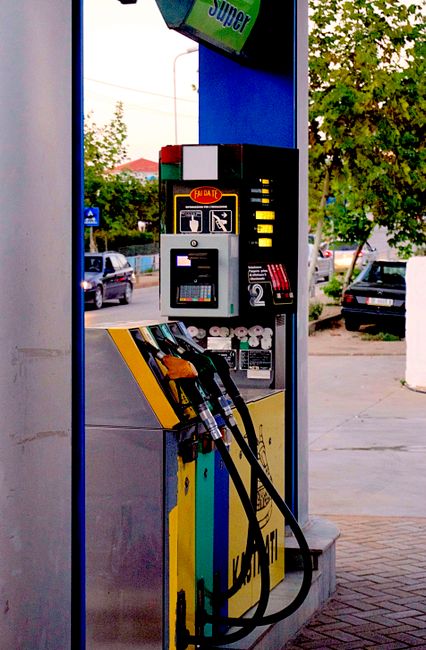
Irish drivers are being warned to prepare for another painful hit at the pumps, with fuel prices expected to rise sharply after crude oil broke through the $100 per barrel mark.
The wholesale price of diesel has already jumped by 25 cent per litre in just two weeks, and industry insiders say that increase will filter through to forecourts across the country very soon. Anyone filling up a family car or van for work is going to feel the difference.
The surge in crude oil prices is being driven by a mix of factors on the global market, including supply cuts from major oil-producing nations and ongoing tensions in key energy regions. When crude goes up, everything downstream follows, and Ireland is no different to anywhere else in that regard.
For context, Irish motorists had only recently started to get a bit of relief after a prolonged period of eye-watering fuel costs that followed the energy crisis sparked by the war in Ukraine. Prices had gradually eased back from their peak highs, giving households some breathing room. That window now looks like it could be closing fast.
Diesel drivers are expected to take the first and hardest hit, given the wholesale price movement already recorded over the past fortnight. Petrol is likely to follow close behind as the ripple effect works its way through the supply chain.
For ordinary workers who depend on their cars to get to jobs not served by public transport, particularly in rural Ireland, there is little alternative but to absorb the cost. Unlike city commuters who might have the option of a bus or Luas, people in counties with limited transport links are essentially a captive market when it comes to fuel.
Small businesses and tradespeople are also bracing themselves. Delivery costs, fuel surcharges, and the general expense of running a van or truck all go up when diesel rises. Those costs have a habit of working their way into the price of goods and services, meaning the impact spreads well beyond the forecourt.
The timing is not great either. With the cost of living still a major pressure point for Irish households, any fresh spike in fuel costs adds to a burden that many families are already struggling to manage. Grocery bills, mortgage repayments, energy costs at home, and now fuel again.
There have been repeated calls from consumer groups and opposition politicians over the past couple of years for the government to revisit excise duty on fuel during periods of price spikes. Temporary excise cuts were introduced during the worst of the energy crisis, but those reliefs were eventually wound back as prices fell. Whether there is political appetite to revisit that approach remains to be seen.
For now, the advice from those watching the market closely is straightforward. If you have the option to fill your tank before the forecourt price adjustments kick in fully, it might be worth doing so sooner rather than later. The 25 cent per litre jump in wholesale diesel costs is significant, and retail prices rarely lag far behind wholesale moves when they are heading upward.