A man who grew up near the former Bessborough mother and baby home in Cork has come forward with a haunting account of what he says he witnessed as a young boy, adding fresh weight to longstanding claims that infants were buried in unmarked graves on the institution’s grounds.
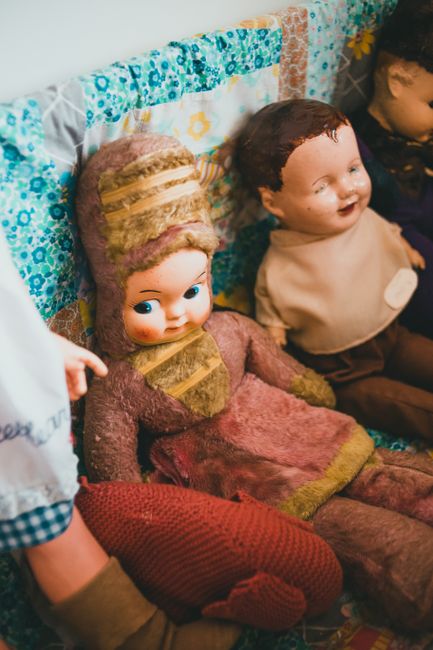
Pat Mulcahy was just a child in the 1940s when he says he stumbled upon something that has stayed with him his entire life. Speaking publicly about what he saw, Pat described coming across small bodies and initially not understanding what he was looking at. “I thought they were dolls,” he said, the memory clearly still raw decades later.
His testimony is the latest piece of evidence to emerge around Bessborough, a former home for unmarried mothers run by the Sacred Hearts of Jesus and Mary order in Cork. The site has been at the centre of serious controversy for years, with survivors, researchers and campaigners pushing for a full and transparent investigation into what happened to the hundreds of babies who died there.
The scale of infant mortality at Bessborough was laid bare by the Mother and Baby Homes Commission, which found that at least 923 children died at the institution between 1922 and 1998. What made those findings even more disturbing was the admission that the commission could only account for the burial location of a fraction of those children. Where the rest were buried has never been fully established.
Grounds at Bessborough have been the subject of ongoing scrutiny, with previous investigations and ground surveys attempting to determine whether human remains are present beneath the surface. The site is now partly a private residence and partly used for other purposes, which has complicated efforts to carry out thorough excavations.
Pat’s account is significant because it comes from someone who was physically present on or near the grounds during the period when deaths at the institution were at their highest. Eyewitness testimony from that era is rare, given how much time has passed and how few people who were there as children are still alive and able to speak about what they saw.
For the families of children who died at Bessborough, accounts like Pat’s are both painful and important. Many have spent years trying to find out where their relatives were buried, with little cooperation from the religious order that ran the home. The Sacred Hearts of Jesus and Mary order has faced intense criticism for what campaigners describe as a failure to fully engage with efforts to locate remains and provide answers.
The Irish Government has faced its own pressure over Bessborough and other mother and baby home sites. Legislation around the excavation and identification of remains has moved slowly, frustrating survivors and advocacy groups who feel the State has not done enough to prioritise the dignity of the children who died in these institutions.
A dedicated agency, the Mother and Baby Homes Collaborative Forum and subsequent bodies, has been working through the complex legal, ethical and logistical questions around how to handle potential burial sites. But progress has felt painfully slow to those directly affected.
Pat Mulcahy coming forward now, at his age, to share what he witnessed as a boy speaks to how deeply these events cut through Irish society. His words, simple and direct, carry the kind of weight that official reports and legal language often cannot. He saw something no child should ever see, and he remembered it for the rest of his life.
For the families still waiting for answers, every account like his matters. It keeps the pressure on, reminds the public that these were real children, and makes it harder for institutions or the State to look away.