A French entertainment giant behind a massive new theme park planned for England has been found to have deeper ties to a sanctioned Russian oligarch than it previously admitted, raising serious questions about who exactly is behind one of the UK’s biggest leisure investments in years.
Puy du Fou, the company behind the proposed £600 million theme park set to be built in England, worked with a Kremlin-linked businessman on plans for a resort in Crimea for longer than it had publicly acknowledged. The company later went on to court business interests in Iran and China, according to an investigation.
The French firm, which already runs hugely popular historical theme parks in France and Spain, has been pushing hard to bring its brand of dramatic, large-scale historical storytelling to England. The project has been pitched as a major boost for tourism and local jobs, and has attracted significant attention from regional authorities eager for investment.
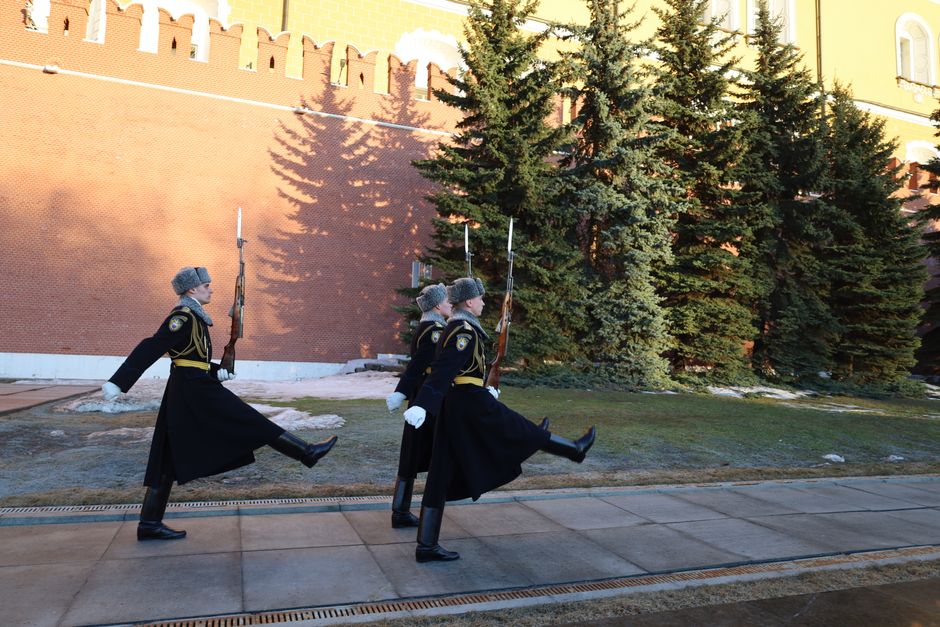
But the company’s background is now under scrutiny. Puy du Fou was involved in discussions and planning work for a resort in Crimea alongside a businessman who has since been placed under Western sanctions. The Crimea project was being developed around the time Russia was moving to annex the peninsula from Ukraine in 2014, when so-called “little green men” — Russian soldiers wearing unmarked uniforms — swept in and seized military bases and infrastructure across the region.
That annexation was widely condemned by Western governments and triggered the first wave of sanctions against Russian officials and businesspeople connected to the Kremlin. The full-scale invasion of Ukraine that followed years later only deepened those penalties.
Puy du Fou had previously suggested its involvement with the Crimea plans was limited and short-lived. But the investigation suggests the relationship with the sanctioned oligarch continued for considerably longer than the company let on. The details of exactly how far those talks progressed, and what was agreed, remain murky.
Beyond Russia, the company is also said to have explored business opportunities in Iran and China — two countries that sit awkwardly alongside the kind of Western investment profile you might expect from a firm looking to plant roots in England.
For the communities and councils in England that have been enthusiastically backing the theme park proposal, the revelations are likely to cause some discomfort. Puy du Fou has marketed itself as a family-friendly, culturally rich entertainment brand. Its parks are known for spectacular live shows and immersive historical experiences rather than the typical rollercoaster-heavy formula of its competitors. That image sits uncomfortably alongside questions about Kremlin connections and dealings with sanctioned individuals.
The £600 million investment figure alone has made this one of the most talked-about leisure developments in England for years. Theme park fans and tourism bosses have been excited about what Puy du Fou could bring — the company’s French park regularly tops European visitor satisfaction rankings and draws millions of people every year.
But investment of that scale always invites questions about where the money comes from and who stands to benefit. In the current political climate, with the UK government under pressure to tighten up scrutiny of foreign investment — particularly from countries or individuals linked to hostile states — the timing of these revelations is not great for the project.
So far there is no suggestion that the England theme park project itself involves any sanctioned individuals or illegal funding. But the links between Puy du Fou’s leadership and figures connected to the Kremlin are likely to prompt calls for greater transparency before planning and investment decisions move any further forward.
Whether this puts the brakes on the project entirely remains to be seen. England has been waiting a long time for a theme park that can genuinely compete with the best in Europe. Whether Puy du Fou is the right company to deliver it is now a much more complicated question than it was a few months ago.