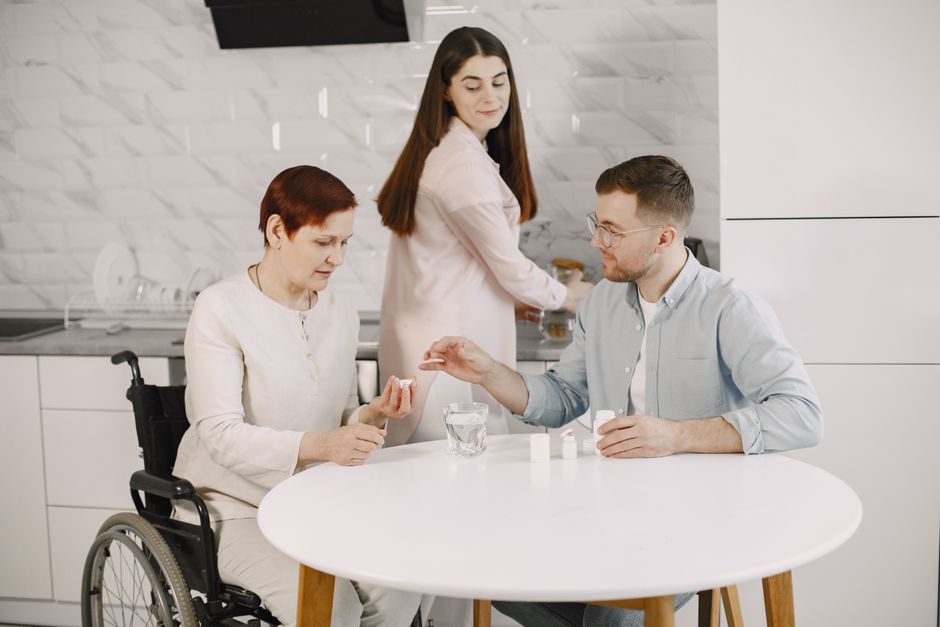
Aisling O’Leary spent years watching her mother fight cancer, but what stayed with her long after her mother’s passing were the words spoken in those final days. Her mother told her that everything she had done, every battle she had fought, had been for her two girls. For Aisling, those words carried a weight that went far beyond grief. They captured something that thousands of family carers across Ireland understand deeply, that caring for a loved one is an act of pure dedication, often carried out without nearly enough support from the state.
Family carers in Ireland are now calling for urgent government action over what they describe as a crumbling system of disability supports that is leaving vulnerable people and their families behind. The calls are growing louder, with advocacy groups pointing to chronic underfunding, long waiting lists, and a lack of consistent respite services as the main pressure points pushing families to breaking point.
Family Carers Ireland estimates that there are approximately 500,000 family carers across the country, many of whom provide round the clock care without any formal training or adequate financial support. For those caring for a family member with a disability, the challenges are particularly acute. Respite services, which give carers a much needed break, are either unavailable in many parts of the country or so oversubscribed that families wait months or even years to access them.
The financial strain is another major issue. The Carer’s Allowance, the main state payment for full time carers, remains means tested, meaning many carers who have given up careers and income to care for a loved one find themselves cut off from support because of household income thresholds. Advocacy groups have long argued that this means testing is outdated and penalises carers who are already making enormous personal sacrifices.
For families caring for someone with a disability, the situation is compounded by gaps in the Health Service Executive’s disability services. Residential placements are scarce, personal assistant hours are being cut or capped, and many families report being passed from one service to another without ever getting the support their loved one actually needs.
Carers have described the emotional toll as relentless. Many say they feel invisible, doing work that would cost the state billions if it had to be provided professionally, yet receiving little recognition and even less practical help. Burnout is common, and the lack of mental health support specifically targeted at carers makes the situation worse.
Family Carers Ireland is pushing for a number of concrete changes. These include the removal of the means test from Carer’s Allowance, a significant increase in respite funding, better access to home support hours, and a dedicated mental health support pathway for carers. The organisation is also calling for a proper implementation of the UNCRPD, the United Nations Convention on the Rights of Persons with Disabilities, which Ireland ratified back in 2018 but which many disability advocates say has yet to translate into meaningful change on the ground.
The government has acknowledged the pressure on disability services, with the Department of Health pointing to increased budgets in recent years. But carers and advocacy groups say that funding increases have not kept pace with demand, and that too much money gets lost in bureaucracy before it ever reaches the families who need it.
For people like Aisling, the issue is deeply personal. Her mother’s story is a reminder of what it means to put family first, often at great personal cost. That same spirit drives thousands of carers across Ireland every single day, and they are asking that the state finally meet them halfway.
With a general election cycle now in full swing and health and disability services ranking among the top concerns for voters, advocates believe this could be a pivotal moment. The question is whether politicians will listen, or whether family carers will once again find themselves making impossible sacrifices without the backup they deserve.