England is baking through its fifth successive heatwave this summer, and with nearly three-quarters of the country now officially in drought, the effects are being felt far beyond scorched lawns and packed lidos. The food on your plate and the drink in your glass are changing too, and not always for the better.
Farmers across the country are dealing with parched fields, stressed livestock and crops that are struggling to survive in conditions that experts say are being driven by the ongoing climate crisis. Early indications suggest this could be the worst cereal harvest since detailed records began, a grim milestone that will have knock-on effects for everything from bread prices to animal feed costs.
Dairy farmers are among those feeling the squeeze hardest. Cows produce less milk when they are heat-stressed, and keeping herds cool enough to maintain normal output is proving both difficult and expensive. Some farmers have reported noticeable drops in daily yields, which could eventually nudge up the price of milk, butter and cheese in supermarkets if the dry spell continues much longer.
Sheep are also struggling. Wool-heavy breeds in particular are overheating in the relentless sun, and farmers have been working overtime to ensure animals have access to shade and fresh water. In some parts of England, grazing land has turned so dry that supplementary feeding has become necessary weeks earlier than usual, pushing up costs at an already difficult time for the agriculture sector.
Wine, perhaps surprisingly, is a more complicated story. English vineyards have been expanding rapidly over the past decade, and the long hot summers that come with a changing climate are not entirely bad news for grape growers. More sunshine and warmth can boost sugar levels in grapes and improve the quality of certain varieties. However, too much heat without enough water creates its own problems, and some vineyards are reporting stressed vines that may produce smaller yields even if the quality holds up.
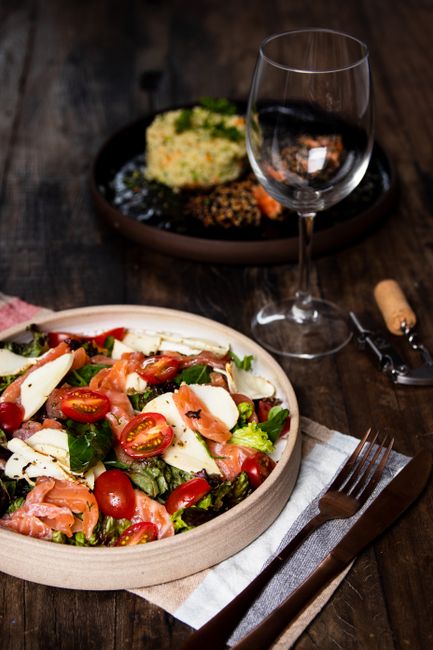
Salad crops are taking a visible hit. Lettuce, spinach and other leafy vegetables bolt quickly in high temperatures, meaning they flower and become bitter far sooner than growers would like. Some producers have had to write off entire batches, and shoppers may already have noticed patchier availability and higher prices on salad leaves in recent weeks. Growing in the shade or using irrigation can help, but both options add cost and complexity.
There is at least one winner in all of this. Cider apple orchards are apparently having a strong year, with the heat helping to develop the sugars and flavours that make for a decent cider. It is a small bright spot in what is otherwise a difficult picture for English food production.
The broader concern among farmers and food experts is what repeated summers like this one mean for long-term food security. England has traditionally relied on a relatively mild, wet climate to support its agricultural output. As that climate shifts, some crops that have been grown here for centuries may become increasingly difficult to produce reliably, while others better suited to warmer and drier conditions may need to take their place.
For now, shoppers are being advised to expect some price rises and availability gaps on certain products as the summer drought continues. Whether the autumn brings enough rain to recover some of the losses remains to be seen, but with the heatwaves coming earlier and lasting longer each year, the summer of 2026 may be less of an exception and more of a sign of things to come.