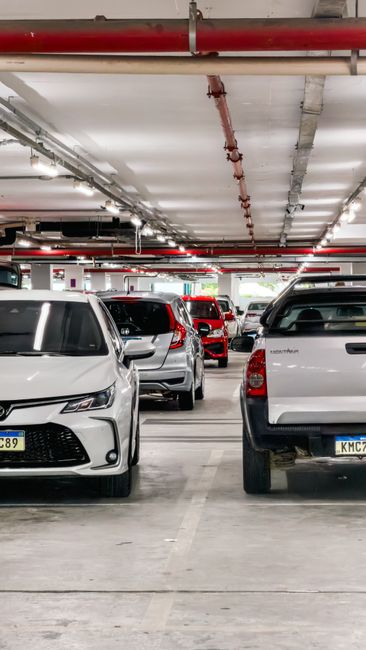
A woman found behind the wheel in a Morrisons supermarket car park in Caerphilly was more than three times over the legal drink-drive limit, a court has heard.
Police were called to the car park after concerns were raised about the woman, who was found in her vehicle in a state that left officers in little doubt she was in no condition to be driving.
When breathalysed at the scene, she blew a reading that put her at three times the legal limit, a figure that magistrates described as seriously concerning given she was sitting in a car in a busy public car park.
The legal limit in Wales and England stands at 35 micrograms of alcohol per 100 millilitres of breath. A reading three times that level represents a significant amount of alcohol in the system and carries serious risks for anyone behind the wheel.
Caerphilly has seen a number of drink-driving cases come before its local courts in recent years, with police in the area continuing to push enforcement action against motorists who choose to get behind the wheel after drinking.
Drink-driving remains one of the most common causes of serious road accidents across Wales. According to road safety figures, alcohol is a factor in roughly one in six of all road deaths in the country, a statistic that campaigners say should be far lower given how preventable these incidents are.
The case serves as a reminder that drink-driving offences do not only happen on open roads late at night. Car parks are public places where the same rules apply, and police are well within their rights to act on any report of a person appearing to be drunk in charge of a vehicle, regardless of whether the car is moving.
Magistrates dealing with drink-driving cases in Wales have the power to impose fines, driving bans, and in more serious cases, custodial sentences. A reading three times over the limit would typically be considered at the higher end of the scale when it comes to sentencing guidelines.
Road safety charity Brake has long called for tougher action on drink-drivers, arguing that the current limits should be lowered further. Scotland already operates under a stricter limit than the rest of the UK, and there have been calls for Wales to follow suit given the Welsh Government holds responsibility for some areas of road safety policy.
Police in Caerphilly and across the wider Gwent area regularly carry out targeted drink-drive operations, particularly around the Christmas period and during summer months when outdoor drinking tends to increase. Officers say that tip-offs from members of the public, like the one that led to this arrest, play a vital role in getting dangerous drivers off the road before they can cause harm.
The woman is expected to face sentencing following the court proceedings.