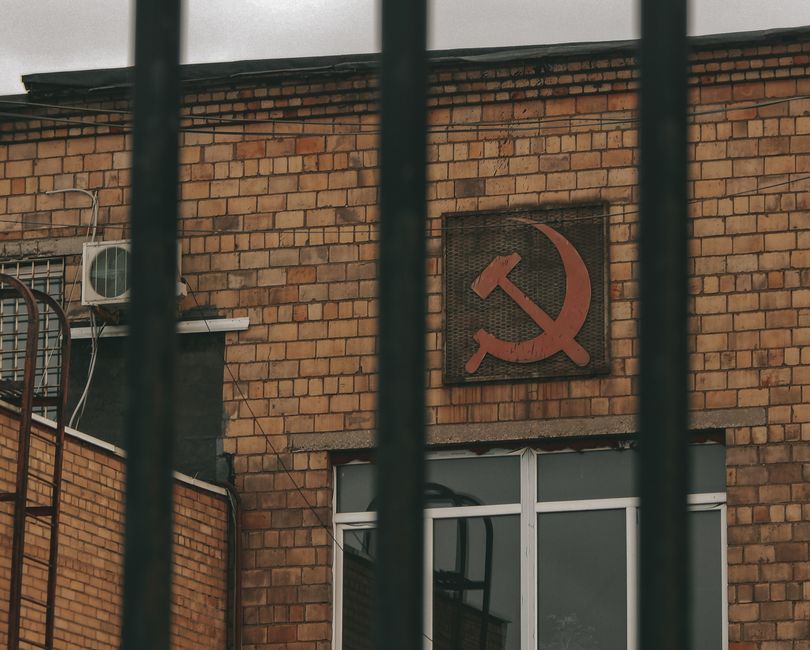
A Dublin-based millionaire with a self-described communist ideology has been arrested in Spain following a US extradition request linked to terror funding charges, in a case that has raised eyebrows on both sides of the Atlantic.
Fergie Chambers, an heir to a significant family fortune who has long described himself as a professional revolutionary, was picked up by Spanish authorities after leaving his Dublin home for what was meant to be a holiday. The arrest came on foot of an extradition order from the United States, where prosecutors have levelled serious charges related to the funding of terrorist activity.
Chambers is something of an unusual figure in Irish radical circles. Born into wealth, he made a deliberate choice to align himself with far-left politics and has spent years involved in activist causes, all while living comfortably in Dublin. The contradiction of a millionaire championing communist ideals was never lost on those who knew him or followed his activities.
The timing of the arrest is significant. It comes during a period when the Trump administration has been ramping up efforts to pursue individuals it believes are connected to groups it designates as terrorist organisations. Chambers appears to have landed firmly in the crosshairs of that effort, with US authorities pushing hard for his extradition from Spain.
Details around the specific charges remain limited, but the extradition request signals that American prosecutors believe they have a strong enough case to pursue the matter through international legal channels. Spain and the US have an existing extradition treaty, which means the legal path toward transferring Chambers to American custody is well established, though the process itself can take considerable time and is subject to legal challenges.
For now, Chambers is in Spanish custody while the extradition proceedings play out. His legal team is expected to contest the request, and given the political dimensions of the case, a lengthy court battle seems likely.
Back in Ireland, the arrest has sparked conversation about the nature of the charges and whether they reflect genuine criminal activity or a politically motivated pursuit by an administration known for targeting ideological opponents. Supporters of Chambers have already begun framing the case in those terms, arguing that his arrest is less about terrorism and more about the Trump administration going after activists whose politics it finds threatening.
Critics, however, point out that terror funding charges are serious regardless of the political context in which they arise, and that the legal process should be allowed to run its course before conclusions are drawn.
Chambers has been a visible if unconventional presence in Dublin for years. His background as an heir who walked away from a conventional wealthy lifestyle in favour of radical politics made him a well-known character in certain circles. Whether that background ultimately helps or hinders his case in the court of public opinion remains to be seen.
The case puts Ireland in an indirect but notable position, given that Chambers was resident here prior to his arrest. Irish authorities have not been reported as playing any active role in the extradition proceedings, which are being handled between Spain and the United States.
What happens next depends largely on how Spanish courts handle the extradition request and whether Chambers mounts a successful legal challenge to block his transfer to the US. Given the resources available to him and the political stakes involved, few expect this to be resolved quickly.