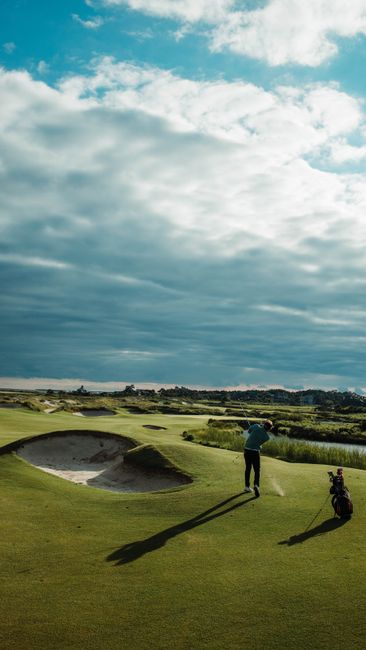
If you have noticed it costing a lot more to get a round of golf in Ireland lately, you are not imagining things. Green fees at some of the country’s most popular courses have doubled since 2022, and with the Ryder Cup heading to Adare Manor in 2027, there is little sign of prices coming back down anytime soon.
The surge in costs has been felt right across the country, from links courses along the Wild Atlantic Way to parkland tracks closer to the cities. What was once considered a reasonably affordable pastime for ordinary club members and casual visitors alike has quietly transformed into a premium experience, with some courses now charging fees that would have seemed unthinkable just a few years ago.
The Ryder Cup announcement has been a game changer for the industry. Adare Manor in Limerick, already one of the most prestigious venues in the country, is set to host the 2027 tournament, and the ripple effect is being felt well beyond the manor gates. Golf tourism in Ireland has been booming, with American visitors in particular arriving in huge numbers, willing to pay top dollar for a round at some of the world famous courses dotted around the coastline.
That international demand has given course owners and managers the confidence to push prices higher. When visitors from the US are booking tee times months in advance and treating a trip to Ireland as a bucket list golf holiday, the local market ends up competing with a much wealthier international one. The result is green fees that reflect what overseas tourists are prepared to pay rather than what an Irish club golfer might consider reasonable.
For regular Irish golfers, the frustration is real. Many people who grew up playing the game here feel increasingly priced out of courses they have been visiting for years. A round that might have cost 60 or 70 euro in 2022 can now run to 120, 140, or even more at some of the more sought after venues. Even mid tier courses have moved their prices upward, with the general inflation in the market giving everyone cover to charge more.
Club membership has also become more complicated. Some clubs have seen waiting lists grow significantly as people try to lock in access before fees climb further. Others have restructured their membership tiers to capture more revenue from the surge in interest, adding premium categories or restricting the times available to standard members.
The broader golf economy in Ireland is undeniably healthy right now. Equipment sales are up, golf tourism packages are selling strongly, and the sport has attracted a wave of younger players who picked up the game during the pandemic and stuck with it. That growing participation base is good news for the long term health of the sport, but it also adds pressure to already busy courses.
Adare Manor itself is in a league of its own when it comes to pricing, but its profile raises the ceiling for everyone else. Hosting the Ryder Cup puts Ireland on the global golf map in a way that even the most iconic links courses could not achieve alone. The tournament is expected to generate enormous economic activity for the region and the country, drawing media attention and visitors from across the world.
The question is whether the pricing surge ends up doing long term damage to golf’s reputation as a sport for everyone. Ireland has always prided itself on having world class courses that were at least somewhat accessible compared to equivalents in the UK or the US. That gap is closing fast, and some in the golfing community are worried about what happens when the Ryder Cup buzz eventually fades but the higher prices remain.
For now though, the industry is riding a wave, and course owners are making the most of it while they can.