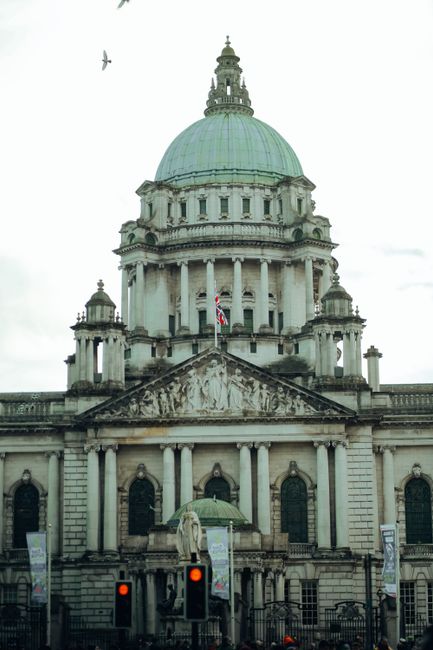
The new Northern Ireland Secretary has made clear that the UK government has no plans to slow down or shelve the controversial Troubles legacy legislation, despite growing unease from multiple quarters about what the Bill actually means for those involved in the conflict.
Chris Bryant, who recently took on the role, confirmed the legislation is moving “full steam ahead” – a statement that will frustrate victims groups and politicians on both sides of the border who have been pushing hard for the Bill to be scrapped or significantly overhauled.
The legislation has been one of the most hotly contested pieces of law to come out of Westminster in years. At its core, it attempts to draw a line under Troubles-era crimes by offering conditional immunity to those who cooperate with a new independent body set up to establish the truth about what happened during decades of conflict in Northern Ireland. Supporters say it gives families answers. Critics say it lets killers off the hook.
One of the loudest concerns coming from the British side is that the Bill could leave former soldiers exposed to prosecution for actions they took during the Troubles. Veterans groups and a number of Conservative MPs have been vocal about this, arguing that ex-service personnel deserve legal protection rather than the threat of being dragged through the courts decades after the fact. Bryant did not directly address these concerns during his recent comments, which has done little to calm nerves among those who feel the military is being left vulnerable.
For many in Ireland and among nationalist communities in the North, the problem runs in the opposite direction entirely. They argue the legislation is designed to protect the British state and its agents rather than deliver genuine justice for victims. Families who lost loved ones during the Troubles have consistently said they were never consulted properly and that the Bill prioritises a tidy political solution over the truth they have spent years fighting for.
The Irish government has also raised serious objections. Dublin has argued the legislation cuts across the Good Friday Agreement, which underpins the entire peace process on the island. That is not a minor procedural complaint – it goes to the heart of the international commitments made when the conflict ended.
Legal challenges to the Bill are already in motion. The Northern Ireland High Court previously found aspects of the legislation to be incompatible with the European Convention on Human Rights, which was a significant blow to the government’s position. That ruling raised questions about whether the immunity provisions could survive legal scrutiny, and the matter is expected to continue working its way through the courts.
The fact that Bryant is pushing ahead regardless sends a clear signal that the Labour government, despite its promises of a fresh approach to Northern Ireland, is not planning a major U-turn on this particular issue. That will disappoint those who hoped a change of government in Westminster might mean a genuine rethink on legacy.
Victims and survivors organisations have been among the most consistent voices against the Bill. Many of them represent families who waited years for inquests or investigations, only to see those processes potentially shut down under the new legislation. For these families, the Bill does not represent closure – it represents the door being slammed in their faces.
What happens next will depend in part on how the legal challenges play out and whether political pressure from Stormont, Dublin, and victims groups forces any meaningful changes. For now, Bryant’s message is clear enough – the government is not for turning on this one, at least not yet.