Dublin Zoo has added two remarkable and rarely seen animals to its Rainforest House, giving visitors the chance to get up close with species that most people would struggle to name, let alone spot in the wild.
A group of golden lion tamarins and a southern tamandua have made the move into the zoo’s dedicated rainforest habitat, and both animals come with serious conservation credentials.
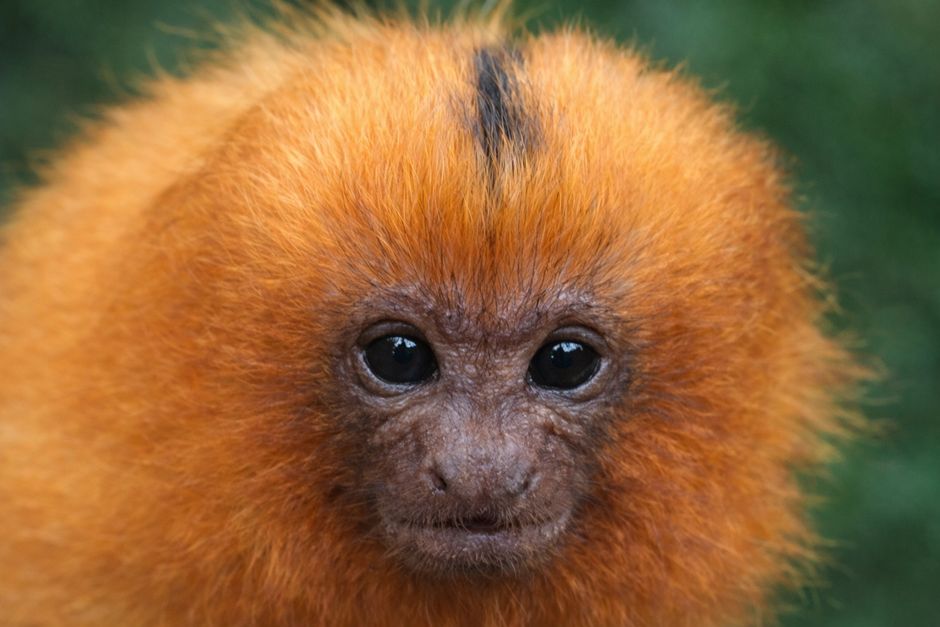
The golden lion tamarin is one of the most recognisable symbols of wildlife conservation in South America. These tiny, flame-coloured monkeys are native to the Atlantic Forest of Brazil, a region that has been devastated by deforestation over the past century. At one point, the wild population dropped to as low as 200 individuals, making extinction look almost inevitable. Decades of dedicated conservation work have pushed those numbers back up to around 4,800, but the species remains endangered and the fight to protect them is far from over.
Seeing them in person makes it obvious why they became such a powerful symbol for conservationists. Their bright orange coats are striking, and they move through trees with a confidence and agility that makes them genuinely fascinating to watch. Dublin Zoo is hoping the new arrivals will help connect Irish visitors with a conservation story that deserves far more attention than it typically gets.
The southern tamandua is a different kind of creature entirely. Part of the anteater family, this medium-sized mammal is found across a wide stretch of South America, from Venezuela down to Argentina. It has a distinctive two-tone coat, a long snout built for raiding termite mounds and ant nests, and a prehensile tail it uses to grip branches while climbing. It is not endangered in the same way as the tamarin, but it faces growing pressure from habitat loss and is increasingly affected by road collisions in areas where its forest home has been carved up by infrastructure.
The Rainforest House at Dublin Zoo was designed specifically to recreate the conditions of a tropical rainforest environment, with the humidity, vegetation and layout all carefully managed to suit animals from these ecosystems. Staff at the zoo have been preparing the space for the new arrivals for some time, making sure both species have everything they need to settle in comfortably.
Dublin Zoo has built a strong reputation for its work with endangered species over the years. The arrival of the golden lion tamarins fits into a broader global breeding programme designed to maintain a healthy population of the species in human care, which acts as a safety net should things deteriorate further in the wild. Zoos across Europe and North America participate in these coordinated programmes, carefully managing which animals breed with which to maintain genetic diversity.
For families visiting the zoo, the Rainforest House is already one of the more immersive experiences on offer, and the addition of these two species adds another layer of interest. The golden lion tamarins in particular are the kind of animal that tends to stop people in their tracks. Small enough to hold in your hands but fast and lively enough to be constantly on the move, they bring a real energy to any space they inhabit.
The zoo has not yet confirmed exact viewing times or whether any special programming will be built around the new arrivals, but the animals are now settling into their new home and are expected to be visible to the public as part of the regular Rainforest House experience.
With biodiversity loss accelerating globally and tropical forests continuing to disappear at an alarming rate, moments like this serve as a reminder of what is at stake. Dublin Zoo is not just a place for a day out. For many of the species it houses, it is part of a wider effort to make sure they are still around for future generations to see.