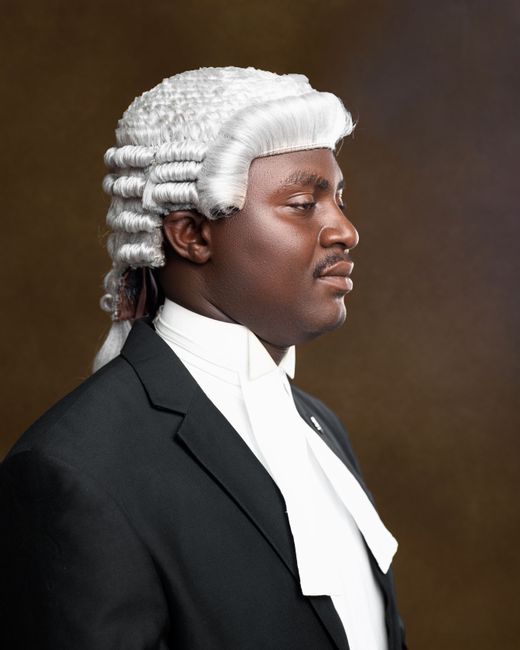
A barrister has been sent to prison after being caught plotting a revenge attack alongside one of his own criminal clients, as part of a violent feud between rival drugs gangs in Kirklees, West Yorkshire.
The case, uncovered by specialist detectives, centres on a shooting in Huddersfield that triggered a chain of events leading the legal professional to cross a line that most would consider unthinkable. Rather than simply representing his client in court, the barrister allegedly became entangled in the feud itself, working with the career criminal to plan retaliation.
West Yorkshire Police confirmed the barrister has now been jailed following the investigation. The force did not release the full details of the sentence publicly through its initial statement, but confirmed the outcome after what was described as a complex probe by officers with specialist experience in serious organised crime.
The case raises serious questions about professional boundaries and the risks of lawyers becoming too closely involved with clients who operate in dangerous criminal circles. Barristers are bound by strict codes of conduct and are expected to maintain clear professional distance from their clients outside of legal representation. Crossing into active criminal conspiracy is not just a breach of those professional standards but a serious criminal offence in its own right.
Kirklees has seen ongoing tensions linked to drugs supply networks in recent years, with Huddersfield at the centre of several high-profile incidents involving gang-related violence. Shootings connected to turf disputes over drug lines have put pressure on local policing, and this case adds a deeply unusual dimension to that picture.
The idea of a qualified barrister, someone trained and trusted to uphold the law, actively conspiring in a revenge plot connected to gang violence is the kind of story that shocks even seasoned observers of the criminal justice system. It is rare, but it does happen, and when it does the consequences are severe, both in terms of prison time and the permanent end of a legal career.
The investigation was handled by detectives described by West Yorkshire Police as specialists, suggesting the probe involved surveillance, intelligence gathering, and careful building of a case that could withstand scrutiny in court given the defendant’s own legal background and knowledge of criminal proceedings.
For the communities in Huddersfield and the wider Kirklees area affected by gang activity, the conviction may offer some reassurance that the reach of law enforcement extends even to those who might otherwise use their professional position to avoid detection or accountability.
The case will now likely be reviewed by the Bar Standards Board, the regulatory body responsible for overseeing barristers in England and Wales, which has the power to disbar individuals convicted of serious criminal offences. Given the nature of the conviction, it is almost certain the individual will never practise law again.
West Yorkshire Police have not yet named the barrister involved or released detailed sentencing information beyond confirming a custodial sentence has been handed down.