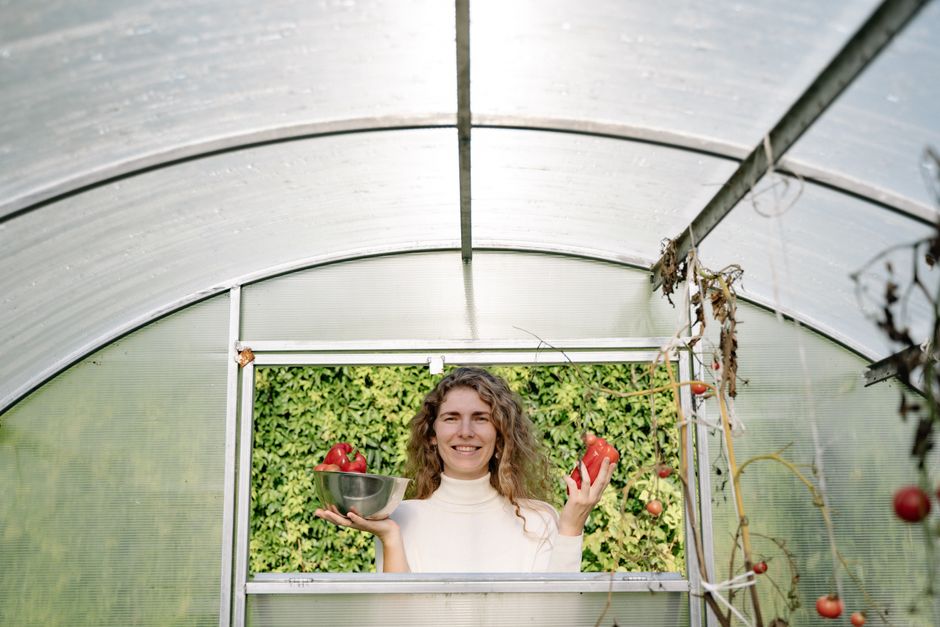
A small farm in rural Powys has gone from bare pasture to producing huge quantities of fresh vegetables in just 18 months, with the produce heading straight to children in Birmingham.
Kilos upon kilos of courgettes, cucumbers, tomatoes and salad leaves are being harvested at the site, which sits in the heart of Wales’ largest county. The person doing much of that hard work is grower Tilly Gomersall, who has helped transform land that was doing nothing into a thriving food-growing operation.
What makes the harvest even more impressive is the timing. This growing season has been one of the toughest in recent memory, with record-breaking heatwaves and prolonged drought battering Wales and much of England. Despite those conditions, the farm has managed to pull off a bumper crop that would be the envy of far more established growers.
The project is run with the support of a Powys-based charity that provides the land, while the growers themselves put in the graft to actually make things grow. It is a model that seems to be working, connecting rural Welsh farmland with urban communities who might otherwise have little access to fresh, locally grown food.
The link to Birmingham is central to the whole idea. Fresh produce grown in the Welsh countryside is making its way to city children who are far removed from the fields and farms where food actually comes from. It is a simple concept but one with real impact, both for the communities receiving the food and for the young people learning the skills to produce it.
Powys, which covers a vast stretch of mid Wales, is largely agricultural land, but much of it is used for livestock rather than fruit and vegetable growing. Projects like this one are trying to change that in small but meaningful ways, bringing new growers onto the land and diversifying what Welsh farms can produce.
The drought conditions that hit this summer made life difficult across the board for anyone trying to grow food outdoors. Water management became critical, and crops that would normally thrive needed extra attention to survive. The fact that this relatively new operation came through with such a strong harvest says a lot about the dedication of the people involved.
For young farmers and growers, access to land has long been one of the biggest barriers to getting started. Buying or renting farmland in Wales is expensive, and without family connections to agriculture, breaking into the industry can feel impossible. The charity model being used here offers a different route in, giving people the space to learn and grow without needing to take on huge financial risk from the start.
There is also something bigger going on with projects like this one. Food security, local supply chains and getting fresh produce to communities that need it most are all issues that have moved up the agenda in recent years. Connecting Welsh growers directly with urban food programmes is one practical answer to some of those bigger questions.
The vegetables harvested this season will reach children in Birmingham through food programmes designed to improve access to fresh produce in the city. For many of those kids, knowing that their food came from a small farm in rural Wales is probably not top of mind. But the people growing it are thinking about that connection, and it is clearly part of what motivates them to keep going through a tough season.
With the harvest now in full swing, attention will soon turn to what comes next. Planning for the following growing season, improving the infrastructure on site and potentially expanding what is being grown are all on the table. What started as empty pasture is now producing real food for real people, and those involved are not planning to stop there.