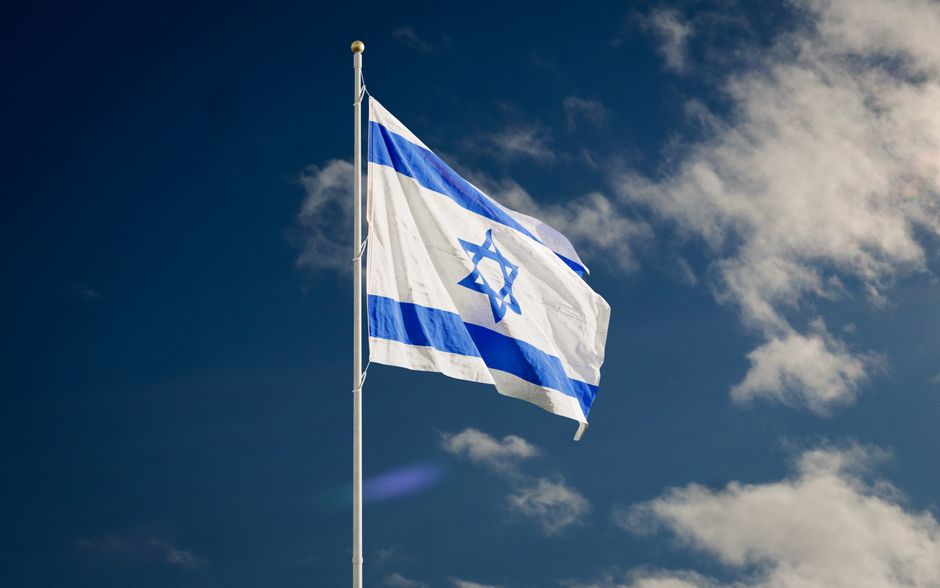
The tension surrounding Ireland’s match against Israel has reached boiling point, with goalkeeper Gavin Bazunu telling teammates he does not want to play the fixture. He is not alone, with a number of other players believed to share his position ahead of what has become one of the most controversial games in recent Irish football history.
The situation puts the Football Association of Ireland in an incredibly difficult spot. On one side, players with serious moral objections to taking the field. On the other, a governing body that pressed ahead with the fixture despite months of public protest, political pressure, and debate about Ireland’s role in platforming Israeli sport while the conflict in Gaza continues.
Israel’s football association did not help ease tensions when it publicly commended the FAI for going ahead with the game, stating that “football has won.” For many in Ireland, that framing landed badly. Critics argued it missed the point entirely, with protesters and campaigners having never suggested football itself was the problem, but rather the timing and the message it sends.
Bazunu, who plays his club football with Southampton, has been one of Ireland’s most important players in recent years. His reported reluctance to feature in the game carries serious weight in the dressing room. When a goalkeeper and senior squad member signals that clearly, it does not go unnoticed by teammates or management.
Manager Heimir Hallgrimsson has had to navigate the build-up carefully, trying to hold the squad together while acknowledging that players have genuine feelings about the situation. The Icelandic manager has spoken previously about respecting his players as people, not just footballers, but the pressure to field a competitive team while managing dissent behind the scenes is a difficult balancing act.
The FAI made its decision to play the fixture after UEFA made clear there would be serious consequences for withdrawing, including potential fines and sporting sanctions. That left Irish football officials feeling they had little choice but to proceed, even as protests were planned outside the stadium and public opposition remained vocal.
For many Irish people, the objection to the match goes beyond sport. Ireland has historically shown solidarity with the Palestinian cause, and the ongoing death toll in Gaza has kept that solidarity very much alive. Protesters argued that hosting Israel for a competitive international fixture, regardless of the sport, normalises a situation that should not be normalised.
The Israeli football association’s comment that football had “won” by the game going ahead only added fuel to that fire. It suggested a framing where getting the match played was itself a victory, something that sat uneasily with those who had campaigned for it to be called off.
Inside the Irish camp, the atmosphere has been described as tense. Players have had to weigh their personal convictions against professional obligations, contractual realities, and loyalty to teammates who may feel differently. It is not a simple situation, and reducing it to a binary choice does not do justice to the genuine difficulty players like Bazunu are facing.
What happens next remains to be seen. Whether Bazunu and others who share his position ultimately take the field, withdraw from the squad, or find some other resolution will likely only become clear in the hours before kick-off. But the fact that this conversation is happening at all, openly and seriously within a national squad, marks a significant moment for Irish football.
The FAI will be hoping the match passes without further incident. But the debate it has sparked, about the responsibilities of sporting bodies, the rights of players to object, and Ireland’s place in the world, is not going away any time soon.