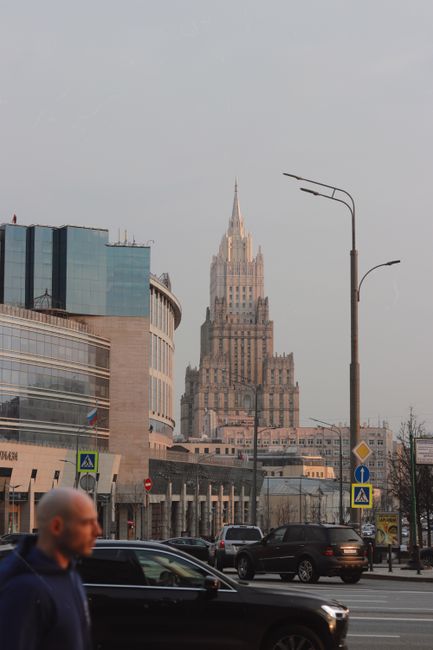
Russia’s foreign minister Sergei Lavrov has sparked a sharp response from Welsh nationalists after he made a series of unusual comments questioning the future of the United Kingdom and specifically mentioning “the Celts” in what many have seen as a clumsy attempt to stir division within Britain.
Lavrov, speaking in his typically provocative style, raised questions about “what will become of the UK” and appeared to suggest that Celtic nations like Wales and Scotland could be used as a wedge issue against the British state. It is not the first time Russian officials have tried to meddle in or comment on internal UK political matters, and the remarks were quickly dismissed by politicians in Cardiff.
Plaid Cymru, the Welsh nationalist party, was having none of it. The party fired back with a clear and direct statement, saying that Wales’ future was “not for the Kremlin to endorse, oppose or exploit”. It was a pointed rebuke that drew a firm line between the legitimate democratic aspirations of Welsh people and any attempt by a foreign power to hijack or weaponise those feelings for its own ends.
And it is an important distinction to make. The question of Welsh independence, or greater devolution, is one that is debated openly and passionately within Wales itself. It is a conversation driven by communities, voters, campaigners and elected politicians going through proper democratic channels. It has absolutely nothing to do with Moscow, and Plaid Cymru were right to make that crystal clear.
Lavrov’s comments, while perhaps intended to unsettle or provoke, are more likely to be seen in Wales as tone-deaf interference from a government that has shown little respect for the sovereignty of smaller nations. The irony of Russia, which launched a full-scale invasion of Ukraine in 2022, suddenly expressing apparent concern for the rights and futures of Celtic peoples will not be lost on many.
Wales does have a strong and proud national identity. The Welsh language, culture, history and sense of place are genuinely important to millions of people. Support for greater self-governance has grown in recent years, with polls showing increasing interest in the idea of independence, particularly among younger voters. But that movement is rooted in Welsh communities and Welsh politics, not in the talking points of foreign ministers thousands of miles away.
Plaid Cymru have long argued that Wales deserves more control over its own affairs, from economic policy to broadcasting and beyond. That argument stands or falls on its own merits, based on what Welsh people actually want. Any attempt by outside actors, whether from Moscow or anywhere else, to use Welsh identity as a geopolitical football is something that cuts across the grain of what the independence movement is actually about.
The Russian government has previously shown interest in amplifying separatist and divisive narratives across Western democracies, and Lavrov’s comments fit a familiar pattern. By raising questions about the unity of the UK, Russia may be hoping to distract, destabilise or simply generate headlines at a time when Western nations remain united in their support for Ukraine against Russian aggression.
For most people in Wales, the response will likely be straightforward. The future of Wales is a matter for the people of Wales. Full stop.
Lavrov genuinely needs to pack it in, what a weird hill to die on lol. Like mate you’ve got enough going on without randomly bringing Wales into it. Plaid were right to respond though, can’t just let that sort of nonsense slide unchallenged.