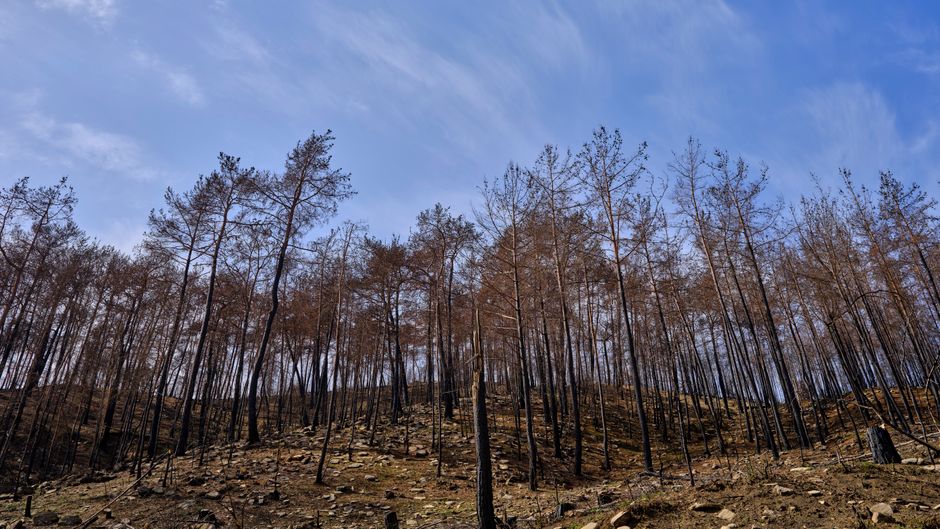
A major funding boost has been announced to help restore the Cairngorms National Park following a series of damaging wildfires, with a £1.3 million nature recovery package set to tackle some of the most pressing environmental challenges facing the region.
The money will go towards wildfire recovery efforts in the park, which has seen significant damage to its precious moorland and woodland habitats in recent years. But the package goes well beyond just fixing fire damage, covering a wide range of conservation work across Scotland.
Habitat and species restoration are both on the agenda, giving conservationists the resources to bring degraded landscapes back to life and support wildlife populations that have been struggling. River restoration work is also included, which will help improve water quality and provide better conditions for fish and other freshwater species that depend on healthy river systems.
One of the bigger challenges facing Scottish landscapes is the spread of invasive non-native species, plants and animals that have no natural predators here and can cause serious harm to native ecosystems. The funding will help land managers tackle these species before they do more lasting damage.
Deer management is another key part of the package. Scotland has a long-running debate about deer numbers, with many conservationists arguing that overpopulation is one of the main barriers to natural woodland regeneration. High deer numbers strip young trees before they get a chance to establish, making it almost impossible for forests to expand naturally. With proper management funding in place, there is hope that more of the Cairngorms and surrounding areas can see genuine woodland recovery over the coming years.
The Cairngorms is the largest national park in the UK and home to a remarkable range of wildlife, including red squirrels, ospreys, capercaillie and the UK’s only free-ranging reindeer herd. It also contains vast areas of ancient Caledonian pinewood, blanket bog and upland heath, all of which play a crucial role in storing carbon and supporting biodiversity.
Wildfires have become an increasing concern across Scotland, particularly during dry spring periods when dead vegetation from the previous year acts as fuel. Climate change is expected to make these conditions more frequent, putting extra pressure on already vulnerable habitats.
Conservation groups have broadly welcomed the announcement, with many pointing out that long-term, sustained investment is exactly what is needed to make a real difference. Restoring a landscape takes years, sometimes decades, and having dedicated funding rather than relying on short-term grants makes planning and delivery far more effective.
The package reflects a growing recognition that Scotland’s natural environment needs serious investment if the country is to meet its own biodiversity and climate targets. Scotland has committed to protecting 30 percent of its land and seas for nature by 2030, an ambitious goal that will require significant work on the ground.
For communities living in and around the Cairngorms, the funding also brings practical benefits. Healthier landscapes support tourism, outdoor recreation and the rural economy more broadly. A thriving national park is good not just for wildlife but for the people who call the area home.
Work is expected to get under way in the coming months, with land managers, conservation organisations and local communities all set to play a role in delivering the recovery programme.