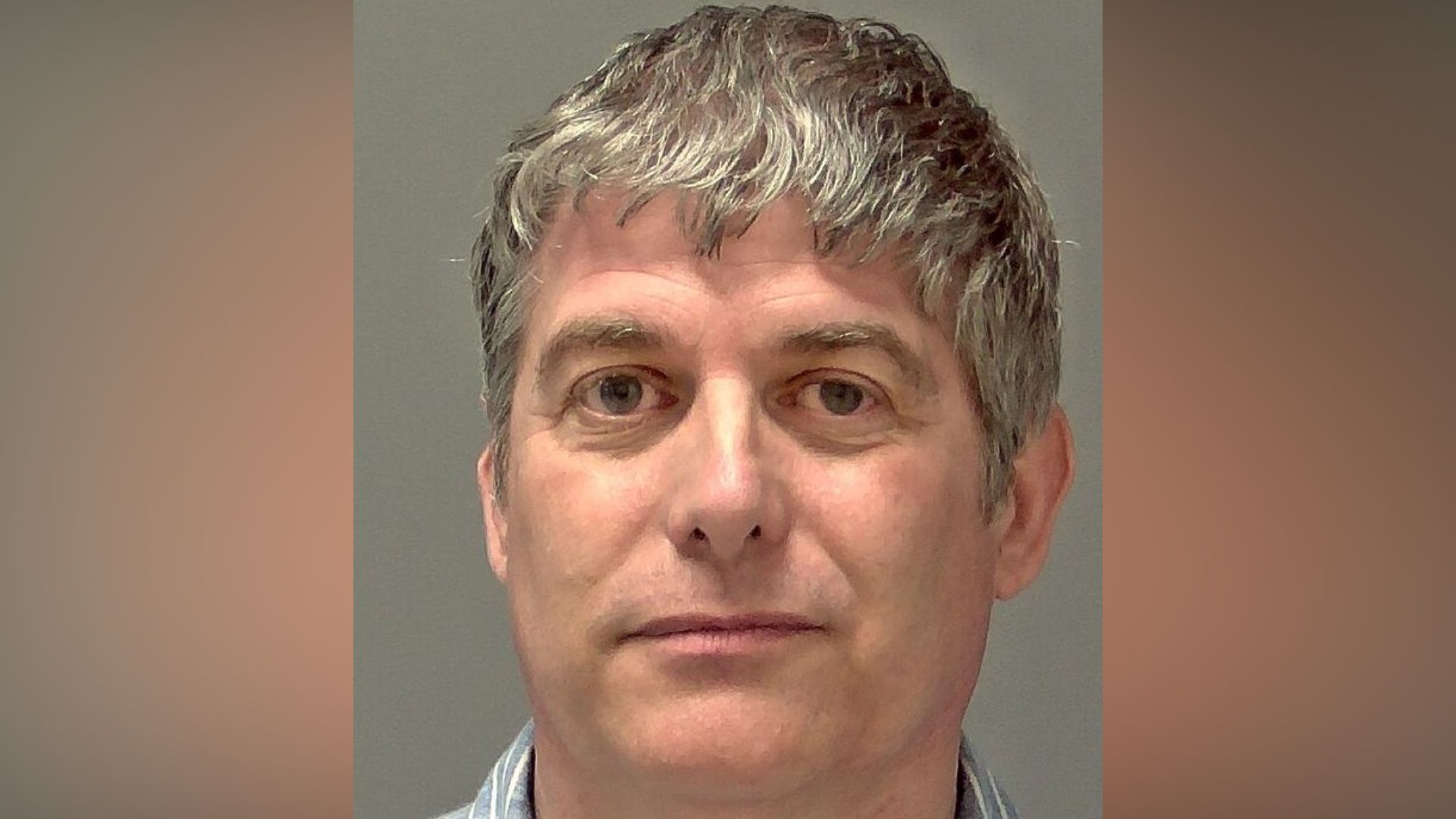
A calculating fraudster who preyed on elderly and vulnerable people across England has been exposed after stealing a staggering £11.5 million from 115 unsuspecting victims, using the money to bankroll a life of extravagance and excess.
Steven Long ran a sophisticated and ruthless deception operation, deliberately targeting older people who placed their trust in him. His crimes have left more than a hundred victims financially devastated, many of whom lost life savings they had spent decades carefully building.
The scale of Long’s fraud is difficult to comprehend. Over the course of his criminal campaign, he accumulated millions by exploiting the goodwill and vulnerability of those least equipped to defend themselves against such calculated manipulation.
Victims have now spoken out publicly, describing the profound and lasting damage Long’s actions caused to their lives. For many, the financial losses were catastrophic, stripping away the security they had worked tirelessly to achieve. Beyond the money, survivors describe a deep sense of betrayal and emotional trauma that continues long after the theft itself.
One victim described feeling completely blindsided by Long’s charm and apparent trustworthiness. Like many of those he targeted, they had no reason to suspect the man they were dealing with was systematically robbing them. Long’s ability to present himself as credible and reliable was central to how he operated, allowing him to repeat his crimes across a vast network of victims.
While his victims struggled, Long used the stolen funds to indulge in a lavish lifestyle far removed from the reality he had inflicted on others. The contrast between his luxury living and the financial ruin he left behind has drawn significant anger from those affected and from those who have followed the case closely.
Fraud targeting elderly people has become an increasingly serious problem across England, with criminal networks and individual opportunists alike recognising older generations as potential targets. Long’s case represents one of the most significant individual fraud operations of its kind, both in terms of the money stolen and the sheer number of people affected.
Campaigners working to protect vulnerable people from financial exploitation say cases like Long’s highlight the urgent need for stronger protections and greater public awareness. Elderly individuals living alone, or those who may be less familiar with the tactics used by modern fraudsters, remain disproportionately at risk.
The emotional toll on victims and their families extends well beyond financial loss. Relatives of those targeted have described watching their loved ones lose confidence, independence and a sense of security that can never be fully restored. For some victims, the shock of discovering they had been deceived had serious consequences for their physical and mental health.
Long’s exposure brings some measure of justice for the 115 people he defrauded, though many will never fully recover what was taken from them. The case serves as a stark reminder of the devastating human cost behind financial crime, and the particular cruelty of those who choose to target the elderly and vulnerable.
Authorities are urging anyone who believes they or a family member may have been approached or defrauded by similar schemes to come forward. Reporting suspected fraud quickly can be critical in preventing further victims and in building cases against those responsible.
For the victims of Steven Long, speaking out has become an act of defiance, a way of reclaiming some power after years of being deceived. Their courage in sharing their experiences is now helping to shine a light on the tactics used by fraudsters and the very real lives destroyed in the pursuit of personal greed.
absolutely disgusting. preying on elderly people who trusted him is just vile. hope he rots in prison honestly, people like this make my blood boil 😤