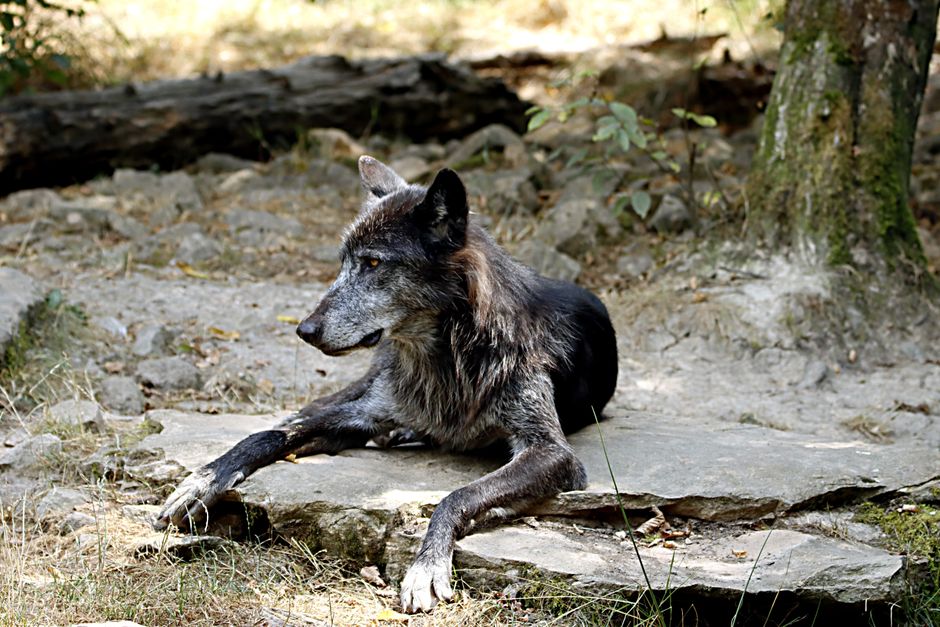
Two wolfdogs that suffered years of abuse at the hands of a Scottish owner are now thriving after being rehomed at a zoo, where keepers say the animals are finally getting the care they always deserved.
The animals were seized from Graham McQuet, who was subsequently handed a five-year ban on owning or keeping animals and hit with a £2,000 fine after the extent of his cruelty came to light.
Wolfdogs are a hybrid breed, a cross between a domestic dog and a wolf, and they come with serious care requirements that most people are simply not equipped to handle. They need space, specialist nutrition, and a level of understanding that goes well beyond what your average pet owner can provide. When those needs are ignored, the consequences for the animals can be severe.
That was exactly the situation these two animals found themselves in. The conditions McQuet kept them in were described as cruel, and by the time authorities stepped in, both animals were in a poor state. Getting them to where they are today has taken real time and effort from the team now looking after them.
Since arriving at the zoo, the pair have been given proper enclosures, appropriate food, and the kind of patient, knowledgeable care that allows animals like this to settle and eventually flourish. Staff say the transformation has been remarkable. Animals that arrived stressed and in poor health have gradually come out of their shells, showing natural behaviours and building trust with their keepers.
Cases like this one shine a light on a broader problem. Wolfdogs and other exotic or hybrid animals are sometimes acquired by people who are drawn to their unusual appearance or the status of owning something rare, without fully appreciating what looking after them actually involves. The animals pay the price for that ignorance.
Animal welfare organisations have long called for tighter controls around the ownership of hybrid and exotic animals in Scotland, arguing that the current rules do not do enough to prevent situations like this from happening in the first place. When enforcement does happen, as it did here, the outcomes for the animals depend heavily on whether suitable specialist facilities exist to take them in.
In this case, the zoo stepped up and the animals got lucky. But welfare campaigners point out that not every seized animal finds such a positive outcome, and that prevention is always better than rescue.
McQuet’s ban means he cannot own or keep animals for five years, though critics of such penalties often argue that time-limited bans do not go far enough when the cruelty involved has been serious. A £2,000 fine, while not insignificant, is also seen by some as a relatively modest consequence given the suffering caused.
For now though, the focus at the zoo is firmly on the animals themselves. Keepers describe them as increasingly confident and say watching them thrive has been one of the more rewarding experiences the team has had. After the cruel start they endured, that feels like the least they deserve.