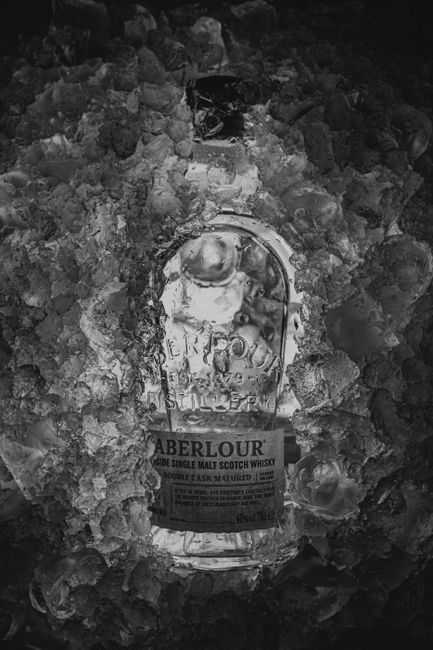
Scotland’s whisky industry is furious after the UK Budget confirmed yet another duty increase on spirits, marking the fourth consecutive year of rising costs that producers say are pushing the sector to breaking point.
The Scotch Whisky Association, which represents distilleries and producers across Scotland, has hit out at the decision, calling it a deeply disappointing blow to one of the country’s most iconic and economically vital industries.
The duty hike means consumers will pay more for Scotch whisky at home, while distilleries face tighter margins at a time when many are already navigating a tough global market. The industry had been hoping the UK Government would ease the pressure, but instead got the opposite.
The SWA made clear this is not just about the price of a dram. The knock-on effects will ripple through the entire supply chain, hitting everyone from barley farmers and cooperages to haulage companies and tourism operators who depend on distillery visits to keep their businesses alive.
Scotland is home to over 150 distilleries, many of them in rural and island communities where the whisky trade is often the backbone of the local economy. A squeeze on the industry does not just affect the big names on supermarket shelves. It threatens jobs and livelihoods in some of the most remote parts of the country.
Scotch whisky is one of the UK’s biggest export earners, bringing in billions of pounds each year from markets across the world including the United States, France, India and beyond. Industry figures argue that hammering it with repeated duty increases at home sends entirely the wrong message about how seriously the government takes its own most successful food and drink sector.
The frustration in the industry is clear. Three years of duty increases have already left their mark, and a fourth in a row feels to many producers like a pattern rather than a one-off. There is growing concern that without a change in approach from Westminster, the damage could become long-lasting.
Producers have pointed out that Scotch whisky already carries a heavy tax burden compared to other drinks categories, with the vast majority of the price of a bottle going straight to the Treasury rather than back into the business. Another increase on top of that feels, to those in the trade, like the government is treating whisky as a cash cow rather than a strategic national asset worth protecting.
The SWA has called on the UK Government to reconsider its approach and work with the industry rather than against it. They want a long-term duty framework that gives distilleries the certainty they need to invest, grow and compete on the world stage.
For now though, the mood across the Scottish whisky industry is one of real disappointment. A sector that has spent years building Scotland’s reputation as the home of the world’s finest whisky feels like it is being made to carry an unfair share of the nation’s tax burden, and patience is wearing thin.