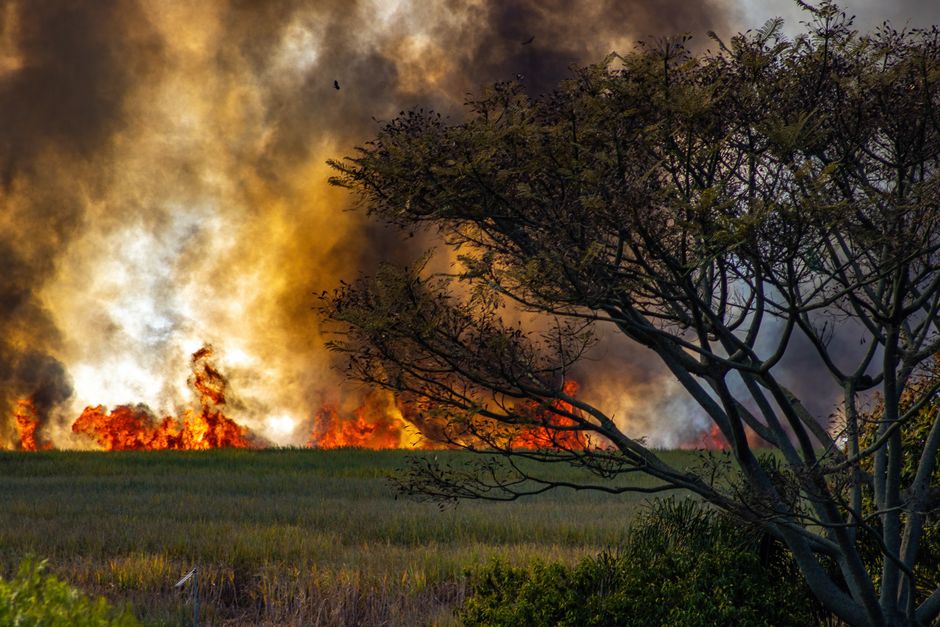
Fields across England have baked dry this summer, and food security experts are sounding the alarm about what could be the worst crisis in decades. Soils have parched, harvests are struggling, and the global trading system that normally bails Britain out when domestic crops fail is under serious strain.
In most years, a bad harvest at home is manageable. England can lean on imports, global markets absorb the shock, and supermarket shelves stay full. That safety net has quietly kept hunger at bay for generations. But this summer is shaping up to be different, and the reasons why go well beyond a dry July.
Wars in Ukraine and the wider region have disrupted grain supplies that much of the world depends on. Ukraine has long been one of the biggest wheat exporters on the planet, and ongoing conflict has hammered its ability to produce and ship food at normal volumes. When global supply chains tighten at the same time domestic crops are struggling, the usual backup plan stops working.
What makes England particularly exposed right now is the absence of any meaningful food stockpile. Strategic reserves, the kind that governments once kept as a buffer against exactly this sort of crisis, have quietly disappeared. There is no serious national store of grain or other staples sitting ready to deploy if things get worse.
The argument against keeping food reserves tends to come down to cost and ideology. Storing food requires money, infrastructure, and long-term planning. Critics frame it as heavy-handed state intervention, the sort of thing associated with centralised command economies rather than modern free markets. That framing has proved powerful enough to kill off any serious conversation about rebuilding reserves before now.
But the logic of relying entirely on global markets assumes those markets will always be open, stable, and able to absorb shocks. This summer is testing that assumption hard. When extreme weather hits multiple major food-producing regions at once, and when geopolitical conflicts disrupt key supply routes simultaneously, the free market does not automatically fix the problem. Prices spike, poorer countries get outbid, and shortages become real.
England is not immune to that dynamic. Food prices have already been climbing for years, squeezing household budgets across the country. Another sharp rise, driven by a combination of domestic crop failures and tightening global supply, would hit working families hardest.
Farmers in England have been dealing with brutal conditions this season. The prolonged dry spell has stressed crops at critical growing stages, and some fields that would normally be producing solid yields are looking thin. The farming community has been raising concerns for weeks, but the response from government has been limited.
Market analysts tracking the situation have described the outlook as the most serious food security challenge England has faced in a long time. That is not language the industry uses lightly. These are people whose job is to read supply and demand data, and what they are seeing in the numbers is genuinely worrying.
The core problem is a mismatch between how serious the situation is becoming and how little political urgency there appears to be around fixing the structural weakness at the heart of it. Rebuilding strategic food reserves would not solve a drought or stop a war, but it would give the country a cushion, time to respond without panic buying, price gouging, or shortages hitting the most vulnerable people first.
Other countries maintain exactly these kinds of buffers. It is not a radical idea. It is basic risk management, the kind that any sensible long-term plan would include. The fact that England has drifted away from it over recent decades reflects a broader political reluctance to think beyond the next budget cycle.
With climate change making extreme summers more frequent and global instability showing no signs of easing, the argument for rebuilding food reserves is stronger now than it has been at any point in recent memory. The question is whether the government is willing to have that conversation before the situation forces it to.
Honestly not surprised at all. This government couldn’t plan a trip to Tesco let alone sort out a food crisis. Farmers have been screaming about this for years and nobody listened. Proper worrying stuff.
Honestly not surprised at all. Every summer it’s either a drought or flooding and nobody in Westminster seems to give two hoots. My uncle farms in Lincolnshire and he’s been saying this for years. Would be nice if someone actually listened before it gets properly bad.