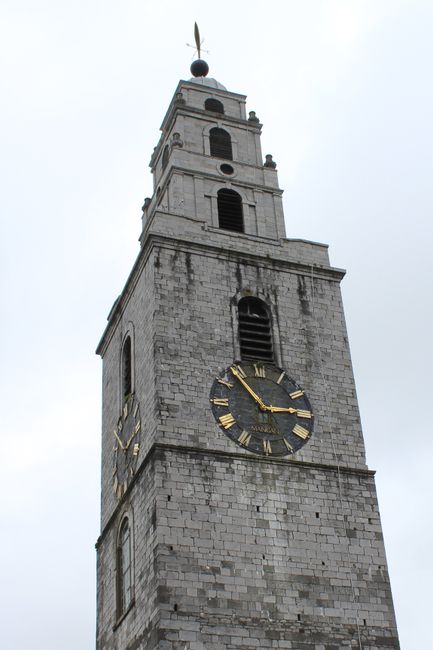
A striking Victorian church in one of Cork city’s most sought-after neighbourhoods is back on the market, this time with a significantly reduced price tag that could attract a whole new wave of potential buyers.
St Vincent’s Church in Sunday’s Well, which was once valued at €750,000, has been relisted for €375,000 after University College Cork pulled out of a planned purchase. The dramatic drop in asking price has turned heads in the property world and raised fresh questions about what the future holds for one of the city’s most recognisable religious buildings.
The church, a handsome Victorian structure that has been a fixture of the Sunday’s Well skyline for generations, first came to market with high hopes attached. UCC had been lined up as the buyer, and many assumed the deal was as good as done. But the university had a change of heart, leaving the sale to collapse and the building back in limbo.
Sunday’s Well is one of Cork’s most desirable addresses, perched on the northside hills overlooking the River Lee. The area is known for its period homes, leafy streets and proximity to the city centre, which makes a building like St Vincent’s all the more attractive to developers, community groups or private buyers with vision.
At €375,000, the church now represents a very different kind of opportunity compared to its original listing. For the right buyer, a building of this size and character in this location would normally command a premium. The fact that it is now available at half the previous asking price is likely to generate serious interest.
Historic church conversions have become increasingly popular across Ireland over the past decade. Former religious buildings have been transformed into everything from luxury homes and boutique hotels to arts centres and community spaces. The bones of a well-built Victorian church, with high ceilings, stained glass and solid stonework, offer something that modern builds simply cannot replicate.
St Vincent’s has all of those qualities. The building retains much of its original character and, depending on planning permissions, could lend itself to a wide range of uses. That flexibility, combined with the new price point, makes this a listing that is hard to ignore.
The broader context here is worth noting too. Across Ireland, the Catholic Church has been offloading properties for years as congregations shrink and the cost of maintaining large, ageing buildings becomes harder to justify. Many of these sales have sparked debate about what role, if any, the local community should have in deciding what happens to buildings that were often built with parish donations and have served as gathering points for generations.
In Cork city, there has been growing conversation about the need for more community and cultural spaces, particularly in residential neighbourhoods. Whether St Vincent’s could serve that kind of purpose at its new price remains to be seen, but the conversation is worth having.
For now, the building is in the hands of whoever decides to make an offer. With a price that has been cut in half and a location that speaks for itself, it seems unlikely to stay on the market for long. The question is not really whether someone will buy it, but what they plan to do with it once they do.