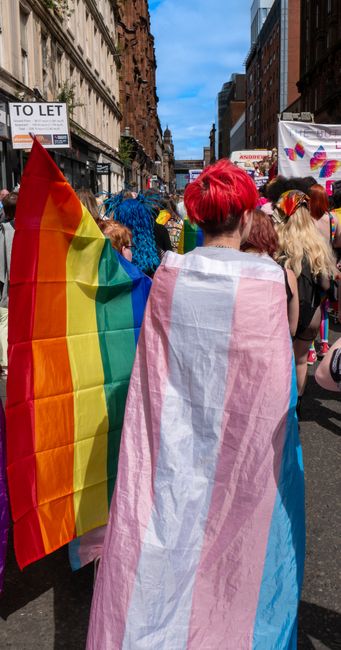
Glasgow has marked a landmark moment in its history, with tens of thousands of people flooding the city’s streets to celebrate 30 years of Pride in a spectacular display of colour, community, and defiance.
The milestone event transformed the heart of Scotland’s largest city into a vibrant carnival of celebration, drawing crowds from across the country and beyond to honour three decades of LGBTQ+ visibility and activism.
Saturday’s turnout was a powerful testament to how far Glasgow has come since the first Pride march wound through its streets, when a far smaller and more vulnerable community took a brave stand at a time when LGBTQ+ rights were far from guaranteed.
The atmosphere throughout the city centre was electric, with participants dressed in vivid costumes, waving flags, and cheering as the parade moved through packed streets lined with supporters. Families, allies, and members of the LGBTQ+ community stood shoulder to shoulder, united in a shared sense of joy and purpose.
For many attendees, the occasion carried deep personal significance. Thirty years represents not just a calendar milestone but a lived journey, one that has seen attitudes shift dramatically across Scottish society, legislation transform lives, and a community grow from the margins to the mainstream.
Organisers described the turnout as one of the most remarkable in the event’s history, reflecting both the enduring importance of Pride as a platform and the enthusiasm of a city that has long embraced its reputation as one of the most LGBTQ+ friendly in the United Kingdom.
Glasgow’s relationship with its LGBTQ+ community has deepened considerably over the decades. The city’s vibrant scene, centred around the famous Pink Triangle in the Merchant City, has become a cornerstone of Glasgow’s cultural identity, attracting visitors and cementing the city’s reputation for warmth and inclusivity.
Yet organisers and community leaders were keen to stress that Pride remains far more than a party. Speeches and events throughout the day carried reminders that LGBTQ+ people continue to face discrimination, violence, and inequality both in Scotland and around the world. The celebration, they emphasised, is inseparable from the ongoing struggle for full equality and safety.
The 30th anniversary also prompted reflection on the battles fought and won over the past three decades. Scotland has witnessed seismic legal changes in that time, from the equalisation of the age of consent to the legalisation of same-sex marriage in 2014, milestones that once seemed unimaginable to many who marched in those earliest Pride events.
For older members of the community, Saturday’s enormous crowds carried particular emotional weight. Many recalled a time when being openly LGBTQ+ in Glasgow carried real risk, when gathering publicly required courage, and when the idea of tens of thousands filling the streets in celebration would have seemed like an impossible dream.
Younger attendees, meanwhile, brought fresh energy and a determination to ensure the progress of the past three decades is not taken for granted. With debates around transgender rights, conversion therapy bans, and LGBTQ+ inclusive education continuing to generate controversy in Scotland and across the UK, many participants were clear that the work is far from finished.
Performances, stalls, and community events added to the festive atmosphere, with the day stretching well into the evening as Glasgow embraced the occasion with characteristic enthusiasm.
City leaders added their voices to the celebrations, with tributes paid to the activists, volunteers, and ordinary community members whose determination built Pride Glasgow into the major civic event it has become today.
As the crowds finally dispersed and the flags were folded away, Glasgow’s 30th Pride left behind something more lasting than memories. It served as a vivid reminder of a community’s resilience, a city’s capacity for change, and the enduring belief that visibility, solidarity, and celebration remain as vital today as they were when it all began three decades ago.
been to glasgow pride a few times now and the atmosphere is just something else honestly. city really comes alive for it. 30 years is massive, proper proud of how far things have come 🏳️🌈