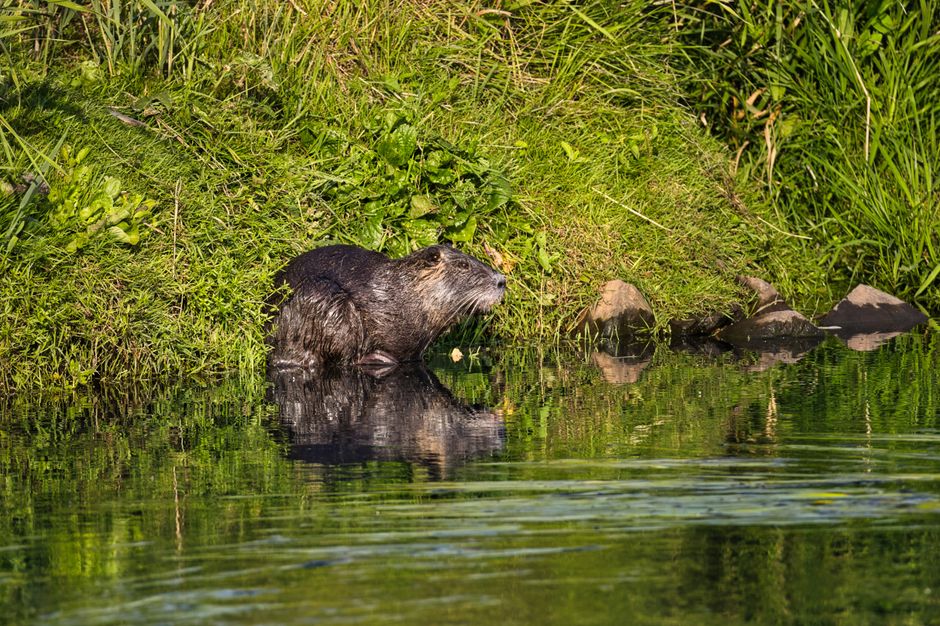
A remarkable conservation achievement that changed Scotland’s natural landscape forever has found its way into the pages of a new children’s book, bringing the incredible story of the beaver’s return to a brand new generation of young readers.
For the first time in 400 years, beavers now swim through Scottish waterways, thanks in large part to the determined efforts of one Perthshire family who took on the extraordinary challenge of reintroducing the species to the wild.
The book celebrates the landmark moment in Scottish conservation history, telling the story of how the semi-aquatic mammals were brought back to a country where they had long been hunted to extinction.
Beavers were wiped out across Scotland centuries ago, victims of relentless hunting for their fur, meat, and castoreum. Their disappearance left a significant gap in the country’s ecosystem, one that quietly persisted for four centuries before a passionate group of conservationists decided enough was enough.
The Perthshire couple at the heart of this story dedicated years of their lives to making the reintroduction a reality. Their work was painstaking, involving careful planning, wildlife expertise, and a deep commitment to restoring Scotland’s natural heritage.
Beavers are considered a keystone species, meaning their presence has an outsized positive impact on the environment around them. Their dams create wetland habitats that support a wide variety of other wildlife, from otters and water voles to rare insects and birds. They also help slow the flow of rivers, reducing flooding downstream and improving water quality.
Scotland’s reintroduction programme has since been widely regarded as one of the most significant rewilding successes in modern British history. The animals have thrived in their new environment, with populations establishing themselves along the River Tay and beyond.
By turning this conservation journey into a children’s book, the hope is that young Scots and readers across the country will connect with the natural world and understand the importance of protecting and restoring native species.
The book brings to life the challenges and triumphs involved in such a complex undertaking, making the science and emotion of rewilding accessible to younger audiences in an engaging and imaginative way.
Conservationists have long argued that inspiring the next generation is just as important as the practical work of species recovery. Stories like this one, rooted in real events and real places, have the power to spark a lifelong love of nature and wildlife in children who might otherwise never encounter these ideas.
Perthshire itself has become something of a symbol for Scotland’s rewilding ambitions. The region’s rivers, forests, and wetlands provide ideal habitat not just for beavers but for a host of other species that campaigners hope to see return to Scotland in the coming decades.
The success of the beaver reintroduction has also opened up wider conversations about what else might be possible. Discussions around the return of other lost species, including wolves, lynx, and white-tailed eagles in new areas, have gained momentum in recent years, with Scotland positioning itself as a leader in European rewilding efforts.
For the family behind this particular chapter of that story, seeing their work honoured in a children’s book represents a deeply personal milestone. What began as a conservation mission has now become a tale that will be read aloud in homes and classrooms across the country.
It is a fitting tribute to a project that quietly and profoundly changed the face of Scotland’s wild places, one beaver dam at a time.