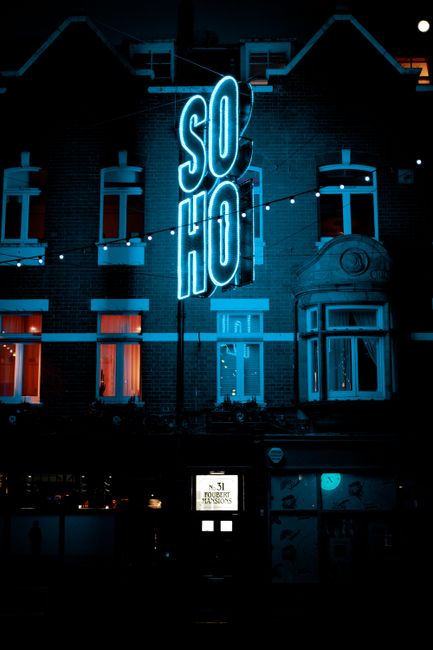
Tucked between a strip club, a West End theatre, and a bustling pub, Soho Parish Church of England Primary School has long been one of London’s most unlikely yet beloved institutions. Now, after decades of serving one of the capital’s most iconic neighbourhoods, the school faces an uncertain future that could see it become another casualty of England’s deepening primary school crisis.
Soho Parish is the last surviving primary school in an area that once boasted sixteen. That staggering decline tells the story of a neighbourhood transformed beyond recognition, where residential families have steadily been replaced by tourists, businesses, and short-term renters. The school, which has educated generations of children from the heart of London’s entertainment district, now finds itself fighting for its very existence.
Falling pupil numbers, accelerated by the disruption of the Covid-19 pandemic, have placed the school in a precarious financial and operational position. Across England, education analysts have forecast that hundreds of primary schools face closure in the coming years as birth rates drop and urban populations shift. Soho Parish sits squarely in the crosshairs of that trend.
For supporters of the school, the stakes go far beyond bricks and mortar. They argue that Soho Parish represents something irreplaceable, a living, breathing community anchor in a part of London that increasingly risks becoming little more than a playground for visitors.
‘Without this, it’s all just tourists,’ one supporter said, capturing the raw anxiety felt by those who have rallied around the school’s cause. That sentiment has galvanised a passionate campaign to secure the school’s future and preserve what many see as the last genuine residential heartbeat of Soho.
The school’s supporters are not simply mourning its potential loss. They have developed ambitious plans to reinvent and sustain Soho Parish, exploring creative solutions that could transform the school into a broader community hub while maintaining its core educational mission. Proposals under discussion include partnerships with local businesses, cultural organisations, and the wider West End community, all with the aim of generating the support and resources needed to keep the school’s doors open.
Soho itself has a long and complicated history. Once home to a dense working-class population, waves of immigration, and a thriving creative scene, the neighbourhood has seen its residential community hollowed out over decades of rising property prices and commercial development. Schools, shops, and community services that once served local families have gradually disappeared, replaced by restaurants, bars, and venues catering to the millions of visitors who pass through each year.
That transformation makes Soho Parish not just a school but a symbol. Its continued existence is seen by many as proof that real people still live and raise children in one of England’s most famous urban landscapes.
The Church of England, which oversees the school, has been engaged in discussions about its future alongside the local authority. Those conversations are understood to be ongoing, with no final decision yet made. Campaigners are using that window of opportunity to press their case loudly and publicly, determined to ensure that decision-makers understand what would be lost if Soho Parish were to close.
England’s primary school crisis has largely been framed as a rural or suburban problem, with falling rolls hitting smaller communities hardest. But Soho Parish demonstrates that the challenge cuts across geography. Even in the heart of one of the world’s great cities, a school can find itself fighting for survival when the community it was built to serve has been gradually priced and pressured out of existence.
For the families who do still call Soho home, the school is more than a place of education. It is a rare space where neighbours meet, children play, and the rhythms of ordinary life continue against the backdrop of the West End’s relentless spectacle.
Whether those rhythms will continue depends on the outcome of a fight that is only just beginning. Supporters insist they are not ready to give up, and their plans suggest a determination to find a way forward that others might have dismissed as impossible.
In a neighbourhood that has survived plague, fire, bohemian excess, and gentrification, perhaps there is reason to believe that its last school might survive too.