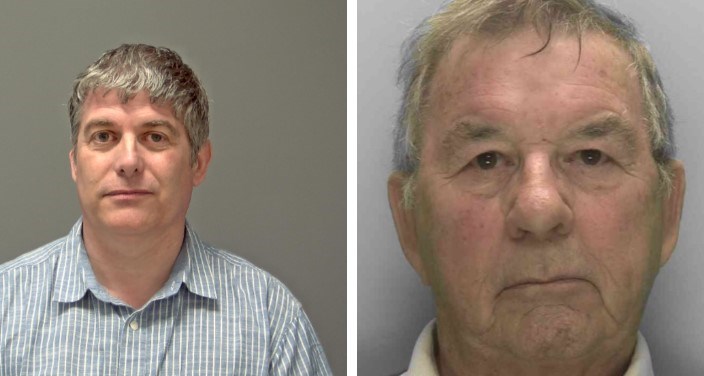
A calculating conman who systematically targeted elderly and vulnerable people across Scotland has been exposed after stealing £11.5 million from 115 unsuspecting victims, leaving families devastated and retirement savings wiped out in one of the most audacious fraud cases the country has seen in recent years.
Steven Long, whose charm and apparent financial expertise won the trust of some of Scotland’s most vulnerable citizens, used the stolen millions to bankroll a lavish lifestyle of luxury holidays, high-end vehicles, and expensive properties, while his victims were left counting the cost of losing everything they had worked their entire lives to save.
The scale of Long’s deception has shocked investigators and left communities across Scotland reeling. Many of his victims were pensioners who handed over their entire life savings, believing they were making secure investments that would provide financial security in their later years. Instead, their money was funnelled directly into Long’s extravagant personal spending.
Several victims have now spoken publicly about the devastating impact the fraud has had on their lives, describing feelings of shame, betrayal, and profound financial hardship that have followed them since discovering the truth about the man they trusted with their futures.
One elderly victim, who asked not to be named, described how Long had approached her through a network of acquaintances, presenting himself as a highly successful financial advisor with an impressive track record. “He was so convincing,” she said. “He knew exactly what to say and when to say it. I handed over everything I had because I genuinely believed he was going to look after my money. When I found out what he had done, I felt completely destroyed.”
Another victim, a retired tradesman from central Scotland, described losing more than £80,000 that he had saved over four decades of hard work. “That money was meant to see me through my retirement. It was going to help my grandchildren. Now it is just gone, and no amount of justice in a courtroom is going to bring it back.”
Authorities have highlighted the sophisticated methods Long used to gain access to his victims. He reportedly cultivated an image of wealth and success, using early payments to some investors to build a false reputation before drawing in larger sums from a wider pool of victims. This classic Ponzi-style approach allowed him to sustain the fraud over an extended period while continuously recruiting new targets.
Scottish fraud investigators have pointed to the case as a stark reminder of the dangers posed by unregulated financial advisors and the importance of verifying credentials before handing over any money. Older Scots are disproportionately targeted by this type of fraud, with criminals deliberately seeking out individuals who may have accumulated savings over a lifetime of work and who may be less familiar with the warning signs of financial deception.
Age Scotland has responded to the case by urging families to have open conversations with elderly relatives about financial safety. A spokesperson for the organisation said the case underlined the need for greater public awareness around investment fraud. “These criminals are highly skilled at building trust. They are patient, persuasive, and ruthless. Nobody should feel embarrassed about asking for a second opinion before making any significant financial decision.”
Police Scotland has also used the case to reinforce its messaging around financial crime, encouraging anyone who suspects they may have been targeted by a fraudster to come forward without delay. Officers have stressed that victims are never to blame for falling prey to sophisticated and deliberate deception.
The financial losses in this case are staggering, but investigators and support workers who have spoken with victims emphasise that the emotional toll is equally severe. Many of those defrauded by Long have described lasting anxiety, depression, and a profound loss of trust that has affected their relationships and quality of life long after the initial discovery of the fraud.
Legal proceedings against Long have drawn significant public attention, with many of his victims attending hearings to see justice served. While the court process may bring some sense of closure, campaigners have noted that financial restitution for victims remains deeply uncertain, with much of the stolen money having already been spent on Long’s personal indulgences.
The case has prompted renewed calls from politicians and advocacy groups for stronger protections for elderly and vulnerable people in Scotland, including tighter regulation of financial advisors and improved support services for fraud victims.
For the 115 people whose savings were stolen, the road ahead remains difficult. But by speaking out, many hope their experiences will serve as a warning to others and prevent further families from suffering the same fate at the hands of predatory fraudsters operating across Scottish communities.
This makes my blood boil. These poor people worked their whole lives for that money and this absolute scumbag just took it all. I hope he rots in prison honestly. How do people like this sleep at night??