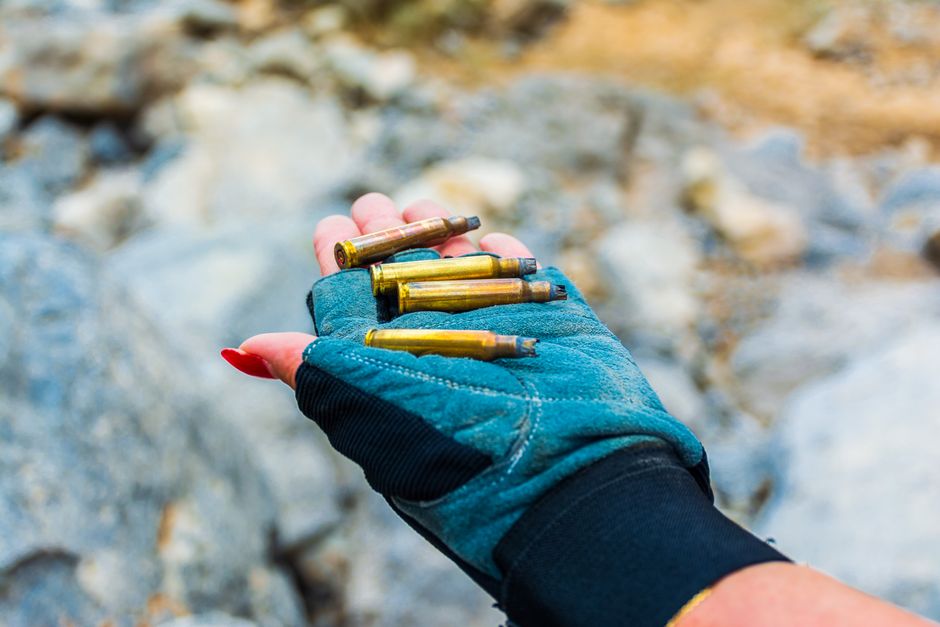
An Garda Síochána allowed frontline units to continue using defective ammunition for four years after the problem was first identified, according to an internal report that also warned about the potential reputational damage if the issue ever became public.
The report, which has now come to light, acknowledged that the “return of ammunition, if it got into the public domain, could have an adverse effect on the reputation of An Garda Síochána.” That line alone raises serious questions about whether the priority was officer safety or protecting the organisation’s image.
The faulty rounds were kept in circulation across garda units for four years, meaning officers on active duty were potentially carrying ammunition that could not be fully relied upon. The details of exactly what was wrong with the ammunition, and which units were affected, point to a significant failure in how the organisation manages its weapons and equipment standards.
This is not a minor administrative oversight. Ammunition is one of the most safety-critical pieces of equipment any armed officer carries. If there is a known defect, the standard response should be immediate withdrawal and replacement. The fact that it took four years for that to happen raises hard questions about who knew, when they knew it, and why a decision was made to keep things running as normal.
The internal report itself shows that senior figures within the organisation were aware of the problem. The specific concern flagged about reputational damage suggests that at some level, the optics of a public disclosure were being weighed against the practical reality of defective equipment being used in the field.
For the gardaí involved, the situation is deeply uncomfortable. Officers who carry firearms do so under strict protocols, and they trust that the equipment they are issued meets the required standards. Finding out that a known fault existed for years, and that the information was being managed carefully to avoid bad press, is the kind of thing that damages trust from the inside out.
The timing of when this report was written and when action was finally taken will likely come under scrutiny. Four years is a long window. During that time, armed garda units were responding to serious incidents across the country, and the question of whether the faulty ammunition posed any real operational risk in those situations is one that deserves a straight answer.
Garda management has faced a difficult few years in terms of public confidence, with various controversies around internal culture, oversight, and accountability. This latest revelation adds another layer to those concerns. The instinct to protect institutional reputation is understandable, but when it overrides transparency on something as serious as officer safety, it becomes a much bigger problem.
The Garda Commissioner and Department of Justice will likely face calls to explain the full timeline of events, including when the fault was first reported, what the nature of the defect was, and what steps were taken before the ammunition was eventually withdrawn. Whether there is any appetite for a formal inquiry or independent review remains to be seen, but pressure is likely to build.
For now, the story sits as another example of an institution choosing to manage information rather than act on it quickly and openly. The hope that it would not “get into the public domain” did not work out, and the fallout from that approach may end up being far more damaging than a straightforward disclosure would have been four years ago.