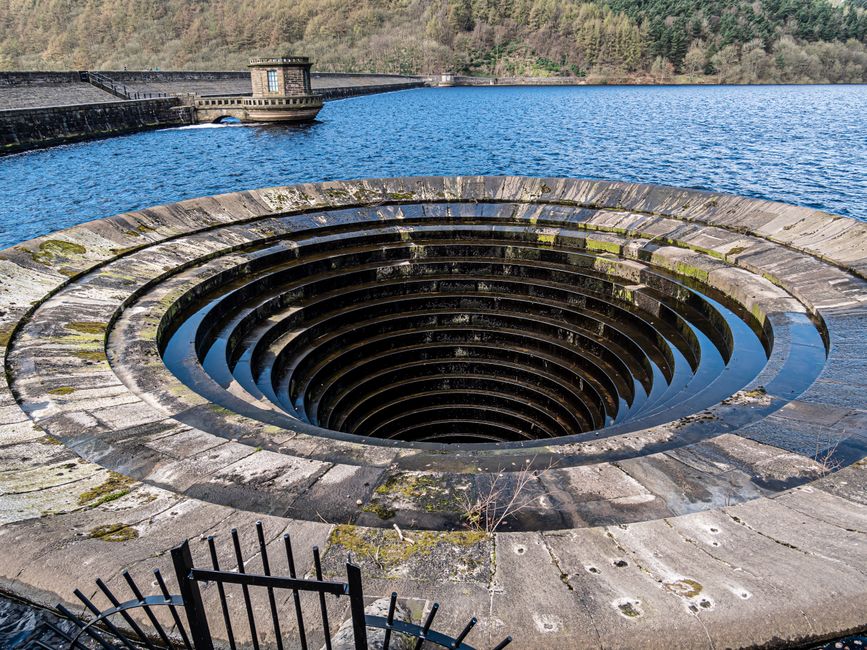
Last month was officially the driest July England has seen since records began nearly 200 years ago. That’s not just a weather footnote. It’s a warning sign that experts say we can no longer afford to ignore.
Half of England is now in official drought. Wales is too. And while most people are carrying on as normal, turning on taps and running baths without a second thought, water specialists are growing increasingly worried about what comes next.
So what does a drought declaration actually mean in practice? It doesn’t automatically trigger hosepipe bans or standpipes in the street, but it does put water companies on high alert. Reservoirs are monitored more closely, usage targets get tightened, and behind the scenes, contingency plans start getting dusted off.
England has a complicated relationship with water. On one hand, the country has a reputation for grey skies and relentless rain. On the other, the south and east of England are actually among the most water-stressed regions in Europe. The population is dense, the rainfall is lower than most people assume, and the infrastructure in some areas hasn’t kept pace with demand.
The record dry July has made things significantly worse. Rivers are running low, groundwater levels are dropping, and some reservoirs are well below where they should be heading into August. The timing matters because summer is when demand peaks, with gardens needing watering, more showers being taken and less natural rainfall topping up supplies.
Climate change is making these dry spells more frequent and more severe. The science is pretty clear on this. Summers in England are trending hotter and drier, while winters, when most of the groundwater recharge happens, are becoming more unpredictable. That combination puts real pressure on the system.
Water companies have been criticised for years over leakage. Billions of litres are lost through crumbling pipes every single day. Campaign groups and regulators have pushed hard for investment in fixing the network, and while some progress has been made, the pace has frustrated many. Every litre that leaks out of a Victorian-era pipe is a litre that isn’t available when a drought hits.
There are also bigger structural questions about supply. England currently has very few new reservoirs in the pipeline, despite population growth and increasing climate pressure. Planning a new reservoir takes decades from proposal to completion, which means decisions being made now, or not being made now, will shape whether there’s enough water available in the 2040s and beyond.
Desalination is sometimes floated as a solution. There’s already a plant on the Thames that can process seawater during emergencies. But desalination is expensive and energy-intensive, which makes it a last resort rather than a long-term fix, especially at a time when the country is trying to cut carbon emissions.
Water recycling is another option that’s gaining more serious attention. Treated wastewater being fed back into the drinking water supply sounds unpleasant to a lot of people, but it’s done safely in other parts of the world and is likely to become part of England’s water future whether people like it or not.
For now, the immediate concern is getting through the rest of the summer without a crisis. Water companies are urging people to be careful with usage, fix dripping taps, take shorter showers and avoid leaving sprinklers running for hours. Small changes across millions of households do add up.
But individual behaviour only goes so far. The bigger challenge is a systemic one. England’s water infrastructure, its planning rules, its investment levels and its approach to climate adaptation all need to be aligned around the reality that dry summers like this one are going to become the norm rather than the exception.
The record books have been broken. The question now is whether the people in charge of keeping England’s taps flowing are moving fast enough to make sure they stay that way.