It has been one of those summers that makes you question everything you thought you knew about growing food in England. Repeated heatwaves, bone-dry soil, and weeks without meaningful rainfall have turned the humble allotment into something between a science experiment and a survival challenge.
The rain that arrived this week offered some breathing room, but experts are clear that drought conditions remain widespread across the country. It will take weeks of sustained, heavy rainfall before water supplies get anywhere close to normal levels. For the thousands of people who grow their own fruit and veg, that is a sobering reality after what has already been an exhausting season.
Speak to allotment holders across England and a familiar story emerges. More work, less reward. Watering cans filled and emptied multiple times a day. Courgettes that bolted overnight. Lettuces that gave up entirely in the heat. The soil cracking like old pottery. Most growers say the combination of intense heat and dry spells has meant putting in significantly more effort only to pull in smaller harvests than usual.
But there have been surprises too, and not all of them bad.
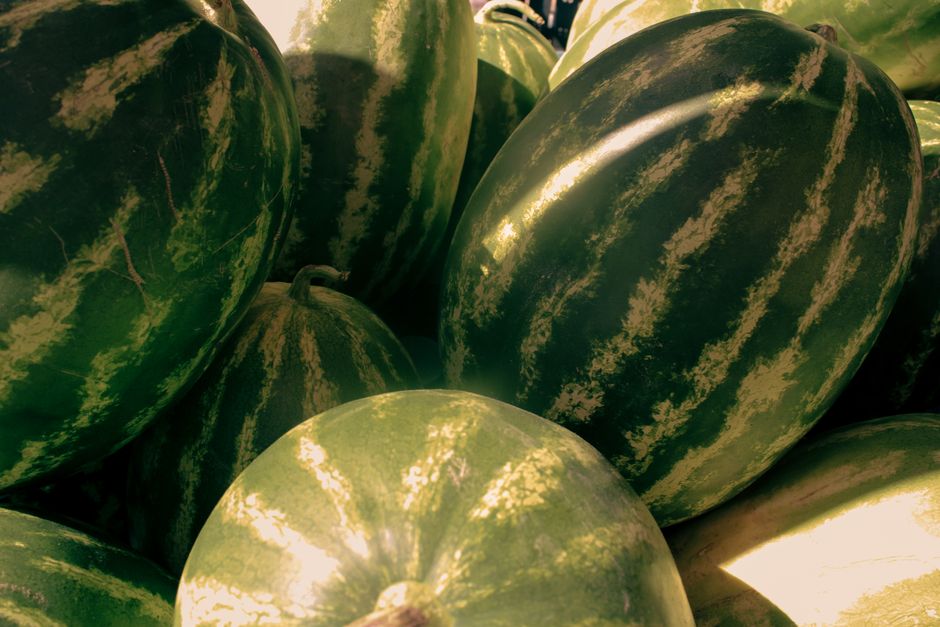
In Bristol, some growers have managed to pull off something that would have seemed almost laughable a decade ago. Watermelons. Actual watermelons, growing outdoors in England. The extended periods of heat and sunshine that have made life so difficult for traditional crops like brassicas and root vegetables have, it turns out, created something closer to Mediterranean growing conditions in parts of the country. For growers willing to experiment, that has opened unexpected doors.
It is a strange silver lining to what has otherwise been a difficult year. Tomatoes have thrived where they might have struggled in a cooler, wetter summer. Aubergines and peppers, crops that usually need a greenhouse to have any chance in England, have done surprisingly well for some outdoor growers. The heat that scorched lawns and dried out reservoirs also delivered the kind of long, warm days that certain plants absolutely love.
But these wins are the exception rather than the rule. The bigger picture for most growers is one of adaptation and stress. Water management has become the central obsession of the growing season. Greywater systems, drip irrigation, mulching heavily to retain whatever moisture exists in the ground, planting in shade during the hottest parts of the day. Techniques that once felt optional are now essential.
There is also a longer-term question hanging over all of this. Is this the new normal? Climate scientists have been warning for years that England should expect hotter, drier summers with greater frequency. The evidence from this season suggests those warnings are not abstract anymore. They are showing up in the soil, in the water butts running empty by July, in the hosepipe bans and the cracked earth on plots that were lush and productive just a few years ago.
For experienced growers, there is a process of rethinking going on. Which varieties actually make sense to grow in a changing climate? Is it worth investing in water storage infrastructure? Should the traditional English growing calendar, built around centuries of relatively predictable weather patterns, be torn up and rewritten?
Some growers are already making those changes. Drought-resistant varieties are getting more attention. Heritage seeds bred for tougher conditions are being sought out. There is more interest in crops from southern Europe and even North Africa that are naturally suited to heat and low water availability.
The allotment, long a symbol of a very particular kind of English patience and tradition, is quietly evolving. The person on the next plot might be growing watermelons now. In a few more summers, that might not seem unusual at all.
For now though, most growers are just hoping the rain keeps coming. The ground needs it. The crops need it. And after a summer of hauling watering cans back and forth in thirty-degree heat, the people tending those plots probably need it most of all.
honestly the watermelon thing is mad isn’t it, never thought i’d see the day. bit exciting but also terrifying when you think about why it’s actually happening lol