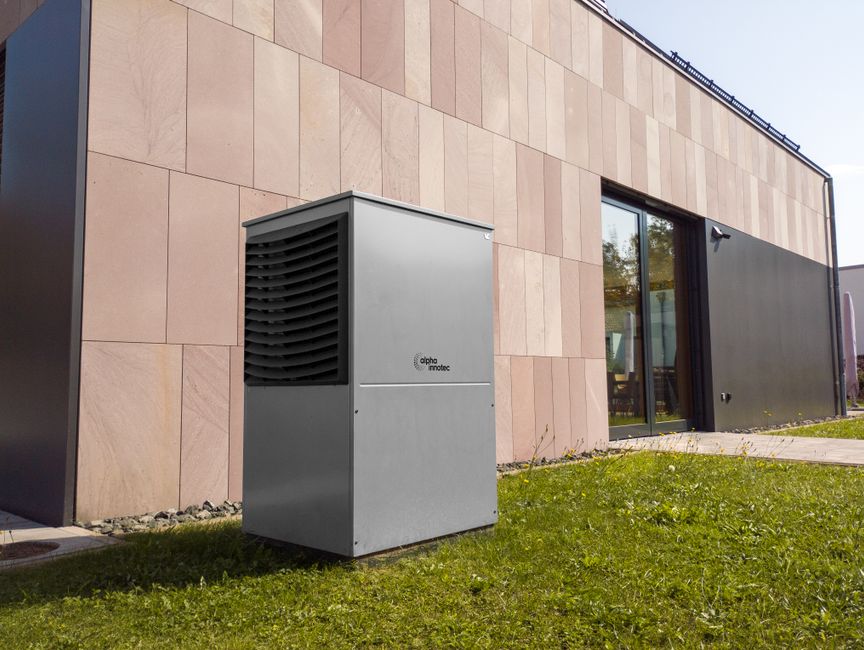
When most people think of heat pumps, they picture a way to warm up a cold house in winter. But homeowners across England are discovering that the technology works just as well in reverse, pulling heat out of their homes during scorching summer temperatures and turning living rooms into cool retreats.
Andrew Ingram, who lives in Maidenhead, Berkshire with his wife Sue, says his heat pump has been a game changer during the hot weather. “If it is 35C outdoors, I can get the temperature down to 21C,” he says. The cooling effect has been so powerful that he jokes about needing thick pyjamas on the nights he sleeps in the living room.
Heat pumps work by moving heat from one place to another rather than generating it directly. In winter, they pull warmth from outside air and bring it indoors. In summer, that process can be flipped, extracting heat from inside the home and pushing it outside instead. The result is essentially air conditioning, but running on the same unit that heats the house the rest of the year.
With England experiencing increasingly intense summer heatwaves, more homeowners are waking up to this dual function. The country has historically had little need for home cooling, with older housing stock built to retain heat rather than shed it. Thick walls, small windows and poor ventilation mean that once a heatwave hits, temperatures inside can climb and stay stubbornly high for days.
That is where heat pumps are proving their worth beyond the winter months. Owners who initially installed them to cut heating bills and reduce carbon emissions are now finding the cooling capability a serious bonus. For some, it has completely changed how they experience summer.
The technology is not without its complications. Not all heat pump installations are set up to provide cooling, and the type of heat distribution system in the home matters. Underfloor heating, for example, can circulate cool water through the floors to bring room temperatures down. Radiators are less effective for cooling purposes. Some systems require additional fan coil units to properly distribute cool air around the home.
Installation costs remain a barrier for many households. A heat pump typically costs several thousand pounds to install, though government grants have helped bring that figure down for eligible homeowners. The upfront investment has put some people off, even with the long-term savings on energy bills.
But for those who have made the switch, the summer cooling benefit is increasingly seen as a major selling point. England recorded some of its hottest ever temperatures in recent years, and climate projections suggest that extreme heat events will become more frequent and more intense. The idea of homes that can keep themselves cool without separate air conditioning units is starting to look less like a luxury and more like a practical necessity.
Public awareness of the cooling function remains relatively low. Many people associate heat pumps purely with winter heating, and the industry has been slow to push the summer benefits in its marketing. That is beginning to change as more owners share their experiences and as the reality of hotter English summers becomes harder to ignore.
For Andrew Ingram, the proof is in the comfort. While neighbours swelter through the hottest days of the year, his living room stays cool enough to need a jumper. It is not the reason he installed the heat pump, but it has turned out to be one of the best things about it.