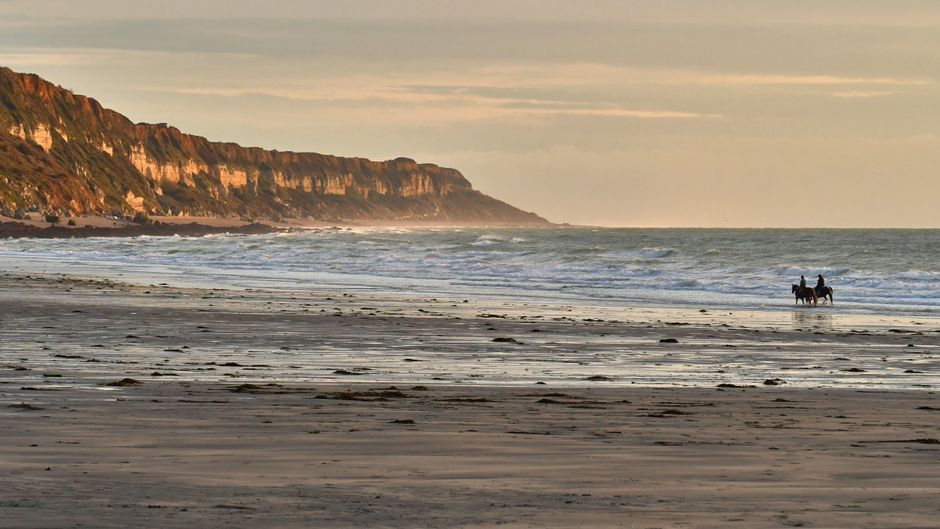
A herd of horses that have roamed one of Wales’s most breathtaking landscapes for over a hundred years has been removed following a bitter dispute over grazing rights on Rhossili Common.
The animals were taken off the clifftop common on the Gower Peninsula after months of disagreement between those involved in managing the land. It marks the end of an era for a sight that has become as much a part of Rhossili as its sweeping beach and dramatic coastline.
Rhossili is one of the most visited spots in Wales, drawing hundreds of thousands of tourists every year to its three-mile stretch of sand and the wild, windswept headland above it. The horses grazing freely along the clifftops had long been considered part of the area’s charm, with visitors regularly stopping to photograph them against the backdrop of the Bristol Channel.
The removal follows a prolonged disagreement over who holds the rights to graze animals on the common. Grazing rights on common land in Wales can be deeply complex, often tied to historic agreements and land ownership arrangements that stretch back generations. When those arrangements break down, disputes can drag on for months or even years before any resolution is reached.
That appears to be exactly what happened here. Tensions had been building for some time before the decision was finally made to remove the horses entirely, bringing a dramatic and somewhat sad end to what had been a long-standing tradition on the Gower.
The Gower Peninsula holds a special place in Welsh history. Back in 1956 it became the first place in the United Kingdom to be designated an Area of Outstanding Natural Beauty, a status that reflects just how remarkable its landscapes are. The common land at Rhossili sits within that protected area, which makes decisions about how it is managed all the more significant.
Common land across Wales is governed by a mix of local arrangements, historic rights, and national regulations. Commoners, meaning people who hold specific legal rights over common land, can be entitled to graze set numbers of animals depending on what their rights allow. When those rights are disputed or when someone is believed to be grazing animals without the proper entitlement, it can trigger exactly the kind of conflict that has played out at Rhossili.
For locals and regular visitors, the news has been met with real sadness. The horses had become genuinely iconic, the kind of sight that people plan trips specifically to see. Social media posts from walkers and tourists over the years are filled with images of the animals standing at the cliff edge, manes blowing in the wind off the sea.
Whether the horses will ever return to Rhossili Common is unclear. That will likely depend on whether the grazing rights dispute can be resolved, and whether any agreement can be reached that satisfies all parties involved. Given how long these kinds of disputes can take to work through, there are no guarantees.
What is certain is that Rhossili will feel different without them. The common has changed, at least for now, and one of the most distinctive and beloved features of the Welsh coastline has gone with it.