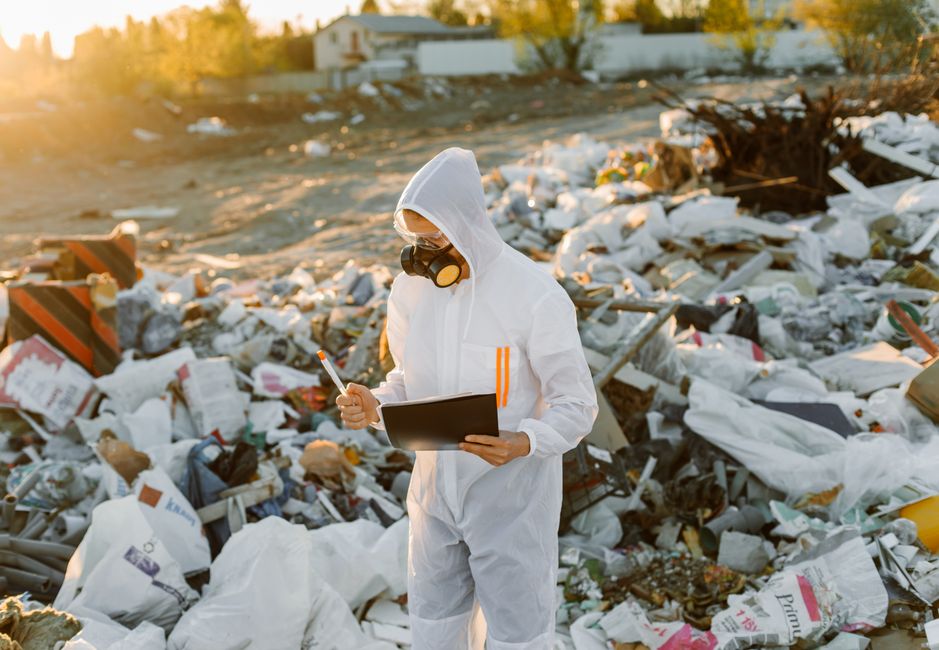
A new documentary fronted by Welsh actor Michael Sheen has shone a light on the scale of toxic waste contamination across Wales, with scientists warning that the sites exposed on screen are just a fraction of a much bigger problem hiding in plain sight.
The film highlights a number of contaminated sites scattered across the country, many of them legacy pollution left behind by decades of heavy industry. But rather than offering reassurance that these are isolated cases, experts who spoke alongside the documentary say the reality is far grimmer.
One scientist involved in the research described the exposed sites as the tip of the iceberg, pointing out that there are thousands of locations across the UK that have never been properly investigated. Wales, with its long industrial history rooted in coal mining, steel production and chemical manufacturing, is thought to be home to a significant chunk of those unknown sites.
Sheen, who grew up in Port Talbot and has become increasingly vocal on issues affecting Welsh communities, used his platform to draw attention to the human cost of this contamination. The documentary puts faces to the problem, focusing on residents living near these sites who have spent years raising concerns about their health and the safety of the land around their homes.
For many of those communities, this is not news. Local campaigners have been pushing for action for years, often feeling ignored by both local authorities and national government. What the documentary does is bring those long-running concerns to a much wider audience.
The science behind the issue is not straightforward. Toxic waste sites can leach harmful chemicals into soil and groundwater over many years, sometimes decades, without any visible signs on the surface. Contamination can spread far beyond the original site boundaries, affecting neighbouring land and water sources. Without systematic testing and monitoring, many of these sites simply go undetected.
That lack of monitoring is at the heart of the concern raised by researchers. Current regulations require known contaminated sites to be assessed and managed, but the problem is that a huge number of potentially dangerous locations have never been formally identified in the first place. They sit quietly in communities, under parks, near schools, alongside rivers, with no flags raised and no testing done.
Wales has a particular vulnerability here. The industrial boom that shaped so much of south Wales in the 19th and 20th centuries left behind a complex patchwork of former industrial land. Some of that land has been redeveloped, built over, or returned to nature without the full picture of what lies beneath ever being established.
Campaigners are now calling on the Welsh Government to commit to a full audit of potentially contaminated land across the country. They want proper funding for independent testing and a clear process for informing communities when risks are identified. At the moment, they argue, the system is reactive rather than proactive, meaning problems only get addressed once they become impossible to ignore.
The Welsh Government has previously pointed to existing frameworks for managing contaminated land, but critics say those frameworks are only as good as the data feeding into them. If thousands of sites have never been assessed, the framework offers little protection to the people living nearby.
Public health researchers have long flagged the links between environmental contamination and health outcomes in former industrial areas. Parts of south Wales already carry some of the highest rates of respiratory illness, certain cancers and other chronic conditions in the whole of the UK. Unpicking exactly how much of that burden is linked to toxic land contamination is difficult, but the concern is real and well documented in scientific literature.
The documentary is already generating significant conversation online and among Welsh political circles. Several Senedd members have indicated they want to raise the issue in the chamber, and there are calls for a formal inquiry into how contaminated land is being identified and managed across Wales.
For Michael Sheen, the project fits into a broader pattern of using his public profile to advocate for the communities he comes from. He has previously spoken out on NHS funding, poverty and the cost of living crisis in Wales, and this latest project continues that thread.
Whether the documentary translates into concrete government action remains to be seen. But for the communities living next to these sites, the hope is that this time, someone is finally listening.
Proper shocking tbh. Wales has been getting absolutely shat on for decades and no one in Westminster gives a toss. Glad Sheen is using his platform for something worthwhile for once instead of just acting in stuff.