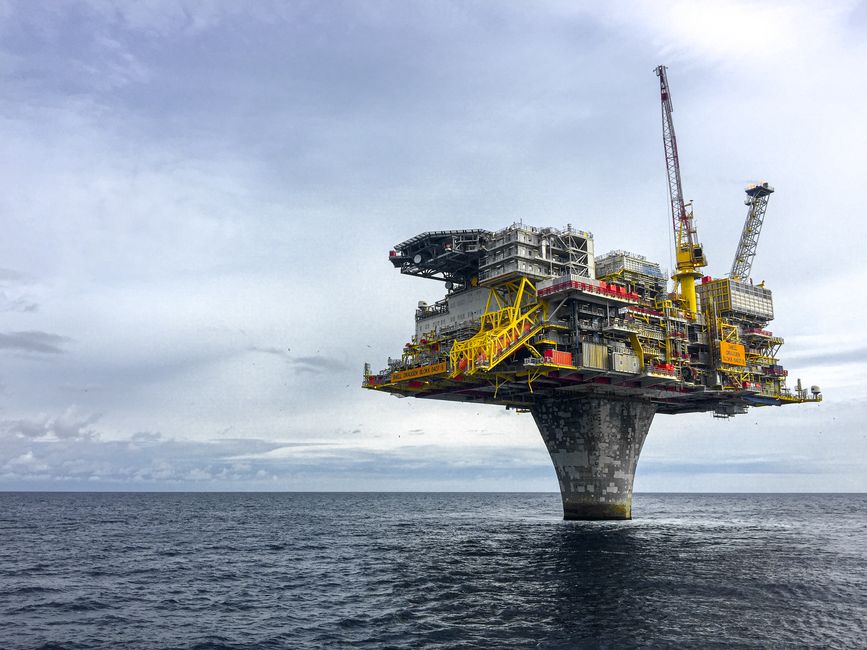
The controversial Jackdaw gas field in the North Sea looks set to finally get the go-ahead, according to reports, in what would be a significant moment for Scotland’s energy sector.
Jackdaw, operated by Shell and located around 250 kilometres east of Aberdeen, has had a rocky road to approval. The project was originally given the nod back in 2022, but that consent was later quashed by the Court of Session after environmental groups successfully challenged the decision, arguing the climate impact assessment did not meet legal requirements.
Now it appears regulators are preparing to approve the field for a second time, with sources suggesting the decision is imminent. If confirmed, it would allow Shell to push ahead with developing a field estimated to hold enough gas to heat hundreds of thousands of homes.
And Jackdaw might not be the only one. Separate reports indicate that the Rosebank oil field, one of the largest untapped reserves in the North Sea, could also receive approval within the coming weeks. Rosebank, which sits west of Shetland and is jointly operated by Equinor and Ithaca Energy, has similarly faced legal challenges from environmental campaigners who argue that approving new fossil fuel projects is incompatible with the UK’s climate commitments.
The potential double approval is likely to reignite the fierce debate around North Sea development that has been running for years in Scotland and across the UK.
Supporters of the projects, including many within the oil and gas industry and some trade unions, argue that developing domestic reserves makes practical sense. They point out that the UK will continue to need gas and oil for years to come regardless of the energy transition, and that producing it at home is both more economically sensible and carries a lower carbon footprint than importing liquefied natural gas from countries like the United States or Qatar.
Officials from Offshore Energies UK, the industry body, have long argued that shutting down North Sea production prematurely would cost jobs, damage energy security and do little to actually reduce global emissions if demand for fossil fuels remains steady.
For communities in Aberdeen and across the north-east of Scotland, the stakes are very real. The oil and gas industry remains a major employer in the region, and uncertainty over the future of North Sea licensing has caused significant anxiety among workers and businesses that depend on the sector.
However, climate campaigners are likely to respond to any approval with fierce opposition, and potentially further legal action. Groups like Uplift and Friends of the Earth Scotland have consistently argued that opening new fields is reckless given the scale of the climate crisis, and that the money and effort would be better directed at accelerating renewable energy development and supporting workers to transition into green industries.
Scotland already generates the majority of its electricity from renewable sources and has positioned itself as a leader in wind energy, but critics argue that continuing to expand fossil fuel extraction sends a contradictory message.
The timing is also politically sensitive. The UK Government under Keir Starmer has made clean energy a central pillar of its agenda, setting an ambitious target to decarbonise the electricity grid by 2030. Approving major new oil and gas fields would sit awkwardly alongside that messaging, and is expected to draw criticism from within Labour’s own ranks as well as from the SNP and Green parties.
The Scottish Government has its own complicated position on the issue. While Holyrood has no direct control over North Sea licensing, which is reserved to Westminster, the SNP administration has at times tried to distance itself from new fossil fuel approvals while also acknowledging the economic importance of the sector to Scotland.
What happens next will be watched closely both in Scotland and beyond. If Jackdaw and Rosebank are both approved in quick succession, it will mark a notable shift in momentum for an industry that has faced mounting pressure and legal uncertainty in recent years.