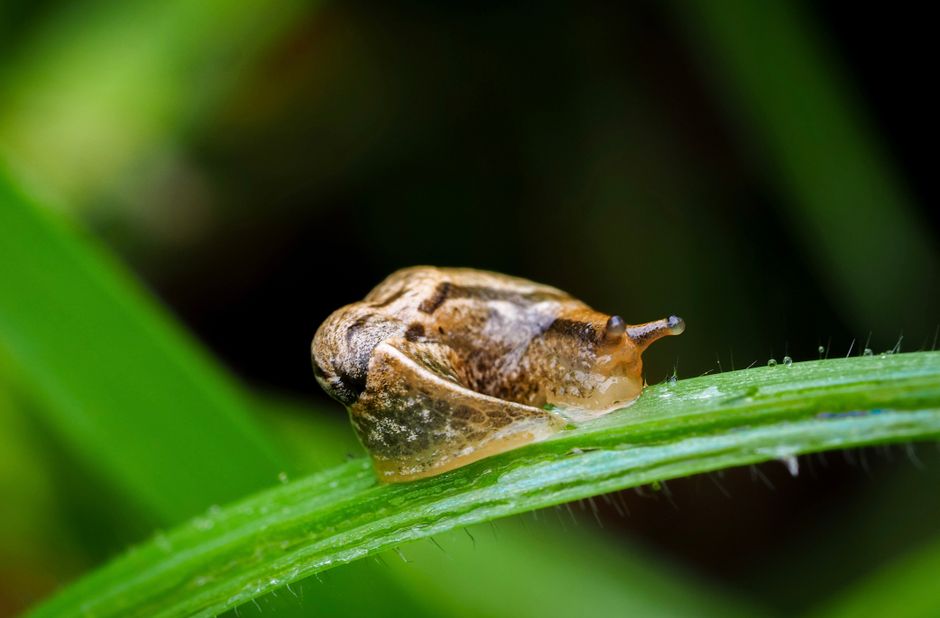
A desperate race is underway to save one of Britain’s rarest creatures, a small, almost translucent snail that clings to survival in a single lake in Wales and nowhere else on the planet.
The glutinous snail, known scientifically as Myxas glutinosa, was once a common sight across freshwater lakes and rivers throughout the UK. Today, the entire known British population lives in one place, Llyn Tegid, also known as Bala Lake, in Gwynedd, north Wales. If something goes wrong there, the snail is gone from Britain forever.
Conservationists are now working against the clock to understand what the snail needs to survive and whether there is any realistic chance of bringing it back to other sites across the country.
Llyn Tegid is already famous for being home to the gwyniad, a rare fish found only in that same lake. But the glutinous snail is arguably in an even more precarious position. It is so poorly studied that scientists are still piecing together the basics of its behaviour, diet and breeding habits.
The snail itself is easy to miss. It is small, pale and soft-bodied, with a thin, almost glassy shell. It tends to live among aquatic vegetation in clean, clear water, which gives some clue as to why it has vanished from so many of its former homes across England, Scotland and Wales. Decades of water pollution, agricultural runoff and habitat loss have stripped out the kind of pristine freshwater environments it depends on.
Bala Lake remains one of the cleaner natural lakes in Wales, fed by mountain water and relatively sheltered from the worst of industrial or agricultural contamination. That is almost certainly why the snail has held on there when it has disappeared everywhere else.
But holding on in one location is a fragile kind of survival. A single pollution incident, an invasive species taking hold, or a significant change in water quality could theoretically wipe out the entire UK population in one go. Conservationists describe this kind of situation as a critical single-point-of-failure, where there is no backup, no second population to fall back on.
Efforts are now focused on two fronts. The first is protecting the existing population at Llyn Tegid as robustly as possible, monitoring water quality and keeping a close eye on any threats that might emerge. The second is the longer-term ambition of reintroducing the snail to other suitable sites, giving it a foothold in more than one location.
That second goal is harder than it sounds. Reintroduction programmes require a good understanding of what the animal actually needs, and with the glutinous snail, that knowledge has gaps. It also requires suitable habitat to exist somewhere else, and finding clean, stable freshwater environments in the UK is not as straightforward as it once was.
The snail’s decline mirrors a wider story playing out across freshwater ecosystems in Britain. Invertebrates that depend on clean water have taken a battering over the past century, and many species that were once widespread have retreated to tiny pockets of suitable habitat or disappeared entirely. The glutinous snail is an extreme example of that pattern, reduced to a single lake, but it is far from alone in facing that kind of pressure.
For the communities around Bala Lake, there is a quiet pride in being the last refuge for yet another unique species. The lake already carries significant cultural and ecological weight in Wales, and the presence of creatures found nowhere else adds to that.
Whether the snail can be pulled back from the edge depends on sustained effort, funding and a bit of luck. Conservationists are not giving up, but they are under no illusions about how serious the situation is. One lake, one population, and a species that most people have never heard of, quietly holding on in the cold, clear water of Gwynedd.