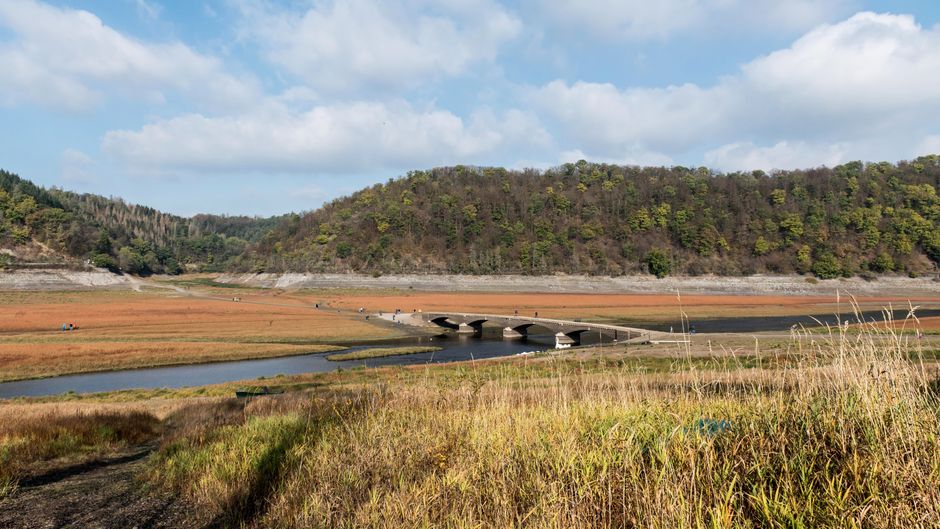
A drought has been declared across the whole of Wales as the country edges closer to recording its driest July in almost 190 years of weather records.
Natural Resources Wales (NRW) confirmed the drought status on Thursday, covering all parts of the country after weeks of unusually dry and warm conditions. Officials warned that the situation is continuing to deteriorate and that there is little sign of meaningful rainfall on the horizon.
July 2025 is shaping up to be historically dry. Records stretching back to the 1830s show nothing quite like what Wales has experienced this month, with large parts of the country seeing a fraction of their normal rainfall. For a nation more commonly associated with grey skies and wet weekends, it is a remarkable and concerning milestone.
NRW has been monitoring river levels, reservoir storage and groundwater across Wales for weeks. The decision to declare a full national drought reflects just how serious conditions have become. River flows in many areas are critically low, and some watercourses that would normally be running well at this time of year have slowed to a trickle.
Farmers are among those feeling the pressure most acutely. Livestock need water, crops need rain, and the prolonged dry spell is putting serious strain on agricultural land across Wales. Grass growth has slowed significantly in many areas, forcing some farmers to dip into winter feed supplies far earlier than they would ever want to.
Wildfire risk has also increased sharply. Fire services have already responded to a number of grass and moorland fires in recent weeks, and dry conditions combined with warm temperatures create exactly the kind of environment where blazes can spread quickly and become difficult to control.
Water companies operating in Wales are keeping a close eye on reservoir levels. While supplies are currently described as adequate for household use, NRW and the Welsh Government are urging people to use water wisely and avoid unnecessary waste. Simple steps like fixing leaky taps, taking shorter showers and not leaving hoses running can all make a difference when demand is high and replenishment is slow.
The declaration of drought does not automatically mean hosepipe bans or restrictions on water use, but it does put water companies on alert and triggers closer monitoring of the situation. If conditions do not improve, more formal restrictions could follow.
Environmentalists have pointed to the drought as another sign of the changing climate facing Wales. While dry summers are not unheard of, the frequency and intensity of extreme weather events, both floods and droughts, has increased in recent years. Wales has experienced both ends of the spectrum, with devastating flooding in some winters followed by unusually dry summers.
NRW is asking farmers, landowners and businesses that abstract water from rivers and groundwater sources to reduce their usage where possible. Licences to take water can be restricted during drought conditions, and NRW has the power to enforce those restrictions if necessary.
For the general public, the drought declaration serves as a reminder that water is not an unlimited resource, even in Wales. The country may have a reputation for rainfall, but that does not mean supplies are immune to prolonged dry spells, particularly as climate patterns continue to shift.
Weather forecasters are not currently predicting any significant or sustained rainfall for Wales in the coming weeks, meaning the drought is likely to deepen before it improves. NRW has said it will continue to update drought status assessments regularly and will work with partners across agriculture, environment and water supply to manage the situation as best it can.
For now, Wales finds itself in historically dry territory, and the hope is that the clouds will eventually return to do what they do best.