Young people under the age of 18 could soon be banned from riding e-scooters in Ireland, after the Government agreed on new proposals to tighten up the rules around the increasingly popular devices.
The move is part of a broader push to bring some order to how e-scooters are used on Irish roads and footpaths, where complaints about dangerous riding have been growing steadily over the past few years. Anyone who has walked through a busy Irish town or city recently will know the drill, scooters flying along footpaths, weaving through pedestrians, and often ridden by kids and teenagers with little regard for anyone around them.
Under the proposed rules, you would need to be at least 18 years old to legally ride an e-scooter. The Government has signed off on the plan, though it still needs to go through the full legislative process before it becomes law.
The age restriction is one of several measures being looked at as part of a wider effort to regulate e-scooters properly. For a long time, the devices existed in a kind of legal grey area in Ireland, with riders unsure of where they were actually allowed to go and gardai having limited powers to deal with problem riders.
That started to change in recent years as e-scooters became more common, both privately owned ones and the rental fleets that have popped up in Dublin and other cities. The Road Traffic and Roads Act 2023 brought in some basic rules, including requiring riders to stay off footpaths and stick to roads and cycle lanes, but enforcement has been patchy at best.
Safety campaigners and pedestrian groups have been calling for stronger action for some time. Older people and those with disabilities in particular have raised serious concerns about the risk posed by fast-moving scooters on footpaths. There have been a number of collisions and injuries reported across the country, and pressure has been building on the Government to do more.
Banning under-18s is seen as one of the more straightforward steps that can be taken. Younger riders, particularly teenagers, have been identified as a group more likely to take risks, ride on footpaths, or use scooters in ways that put others in danger. Removing them from the equation entirely, at least legally, is the logic behind the proposal.
Of course, enforcement is where things get complicated. Gardai are already stretched, and policing who is or is not old enough to ride a scooter on any given street is not exactly a top priority. Critics of the plan will likely point out that without proper enforcement, an age ban is more of a symbolic gesture than a practical solution.
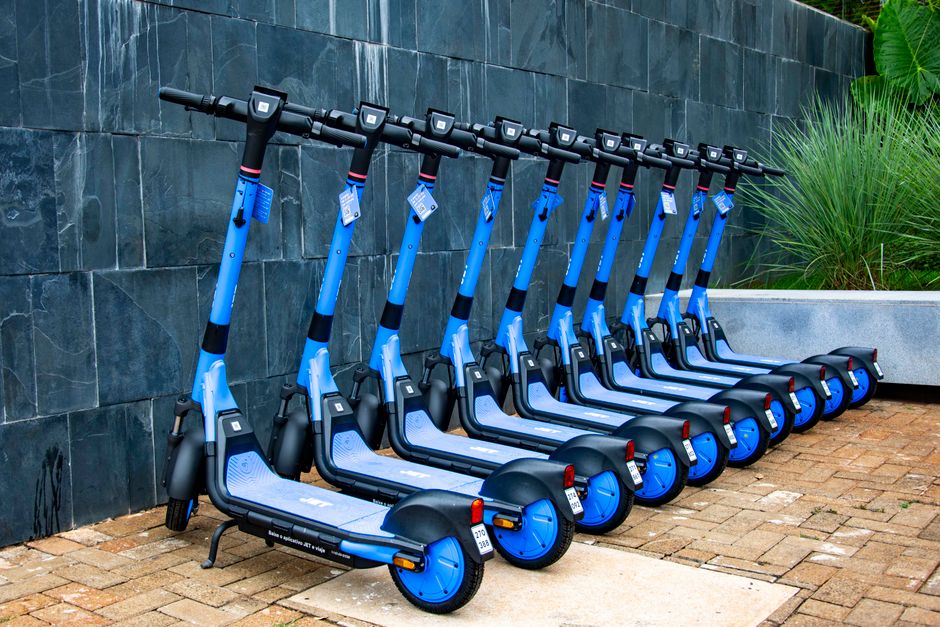
There are also questions about how this will affect rental operators. Companies like Tier and Lime, which run shared e-scooter fleets in Irish cities, already require users to be 18 or over to sign up through their apps. So in practice, the ban would mainly target privately owned scooters used by younger riders.
For parents, the proposal raises its own set of questions. E-scooters have become a popular gift for teenagers and younger kids in Ireland, and many families will now be wondering where exactly that leaves them if the ban comes into force.
The Government has not yet given a firm timeline for when the legislation will be brought forward, but the agreement on the proposals suggests it is moving up the agenda. Further details on enforcement mechanisms and penalties are expected to be worked out as the bill progresses.
For now, the message from Government is clear enough. E-scooters are here to stay, but the free-for-all that has characterised their use in Ireland up to this point is coming to an end.
Honestly about time, those things are a menace. Saw a kid nearly take out an elderly woman on one last week. Good riddance.