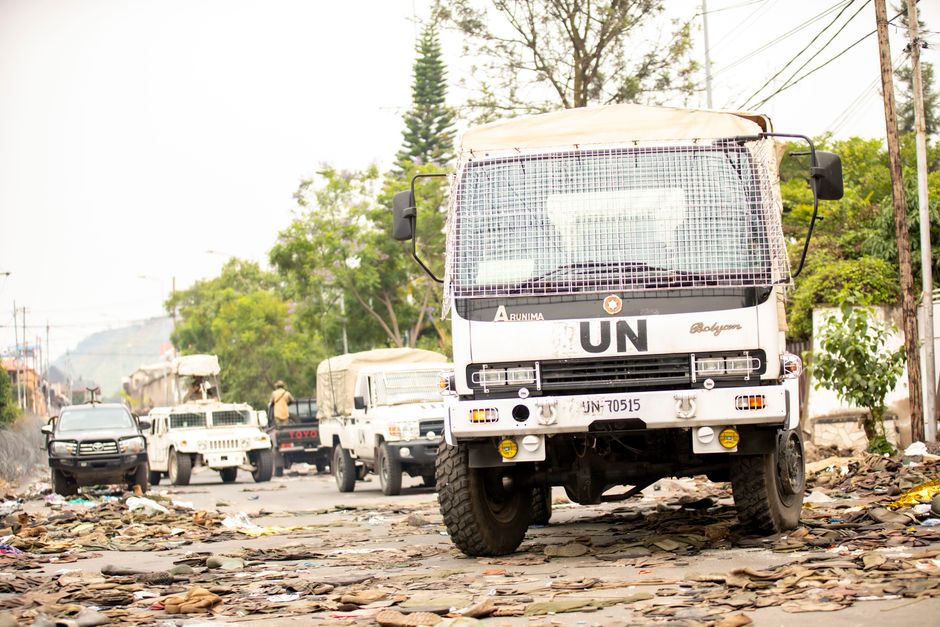
The officer commanding Ireland’s final peacekeeping contingent in southern Lebanon has described the upcoming mission as deeply emotional for everyone involved in the Defence Forces.
The last Irish troops heading to Lebanon next month are carrying more than just their kit. For many of them, this closing chapter of a decades-long commitment to the region is hitting hard, with the commanding officer describing the mission as “very poignant and very difficult” for the soldiers taking part.
Ireland has had a long and proud history with the United Nations Interim Force in Lebanon, known as UNIFIL, stretching back to 1978. Generations of Irish soldiers have served in the region, and for many Defence Forces families, a Lebanon posting has been a rite of passage. Wrapping that up is no small thing.
The final contingent will head out next month, bringing to a close one of the most sustained commitments Ireland has ever made to international peacekeeping. Over the decades, 47 Irish soldiers lost their lives during service in Lebanon, a fact that hangs heavily over any conversation about the mission ending.
For the troops going out on this last rotation, there is a clear sense of duty mixed with the weight of history. They know they are the ones who will turn off the lights on something that has defined Irish military service for nearly half a century. That is not a small thing to carry.
The decision to withdraw came after a difficult period in the region, with escalating conflict between Israeli forces and Hezbollah making conditions increasingly dangerous for peacekeepers on the ground. Several UNIFIL positions were struck during the recent surge in fighting, raising serious questions about the safety of troops stationed there and prompting Ireland and other contributing nations to reassess their involvement.
The Irish government faced significant pressure over the situation, with politicians and Defence Forces representatives alike calling for clarity on the safety of Irish personnel. The decision to end the mission was not taken lightly, but the security situation on the ground made continuing in the same capacity increasingly untenable.
For the soldiers heading out now, the job is still real. They are not going as a ceremonial farewell party. They will be doing the same peacekeeping work Irish troops have always done in the region, monitoring ceasefires, supporting local communities, and trying to keep the peace in one of the most volatile parts of the world. The difference is that when they come home, there will not be another Irish rotation following behind them.
The commanding officer’s words about the mission being poignant reflect something that goes beyond military formality. Many Irish soldiers have deep personal connections to Lebanon. Some followed fathers or uncles who served there. Others have built relationships with local communities over multiple tours. Leaving that behind is genuinely emotional.
Back home, veterans groups and Defence Forces communities are also feeling the weight of this moment. The Lebanon mission has been a constant in Irish military life for so long that its absence will take some getting used to. There is pride in what was achieved, but also a real sense of loss.
Ireland’s contribution to UNIFIL was always punching above its weight for a small nation. Irish troops built a reputation for professionalism, fairness, and genuine engagement with local populations that earned respect across the region. That legacy does not disappear when the last contingent comes home, but it does mark the end of an era.
As the final group of soldiers prepares to deploy, the focus for now is on doing the job right one last time. Honouring those who served before them, staying safe, and bringing everyone home. After that, Ireland will have to find new ways to express its commitment to international peacekeeping without the mission that shaped so much of its military identity.