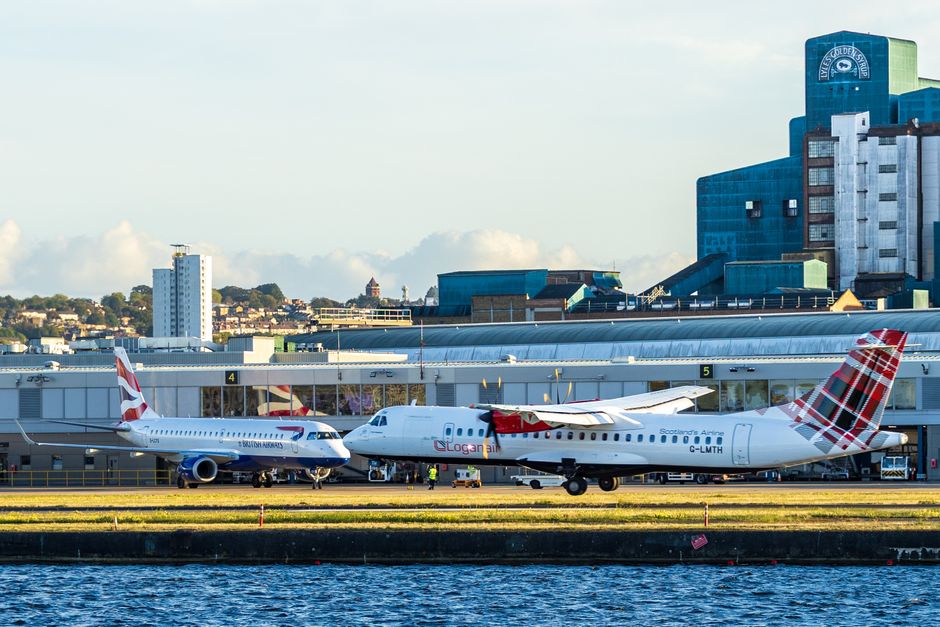
Scotland’s island communities could soon be hopping between destinations on electric aircraft, with regional carrier Loganair eyeing a major shift in how it serves the Highlands and Islands.
The airline is expecting to have small electric planes operating on its shorter Scottish routes by 2029, in what would mark a significant moment for both Scottish aviation and the push toward greener travel.
The aircraft in question carry five passengers and are designed specifically for the kind of short hops that define island life in Scotland. Think Orkney to Shetland, or the kind of quick connections between remote communities that larger planes simply cannot justify economically or practically.
One of the most striking aspects of the technology is how quickly these planes can be turned around between flights. Recharging takes just 20 to 40 minutes, which makes them genuinely practical for the kind of frequent, short-distance operations that Loganair runs across the north of Scotland.
For many island communities, air travel is not a luxury. It is a lifeline. Medical appointments on the mainland, business travel, and basic connectivity all depend on reliable air links. The shift to electric could help make those links more sustainable and potentially more affordable in the long run.
Scotland has long been seen as one of the most promising places in the world to pioneer electric aviation. The short distances between many of the islands and the mainland make battery-powered flight far more viable than on longer routes where range limitations would be a serious problem. What is a constraint in most parts of the world is actually a perfect fit for the Scottish island network.
Loganair already operates one of the shortest scheduled flights on the planet, the famous Westray to Papa Westray service in Orkney which lasts under two minutes in good conditions. Routes like that are almost tailor-made for electric aircraft.
The 2029 timeline puts this within reach rather than in the realm of distant ambition. Aviation technology has been moving quickly, and several manufacturers are now in advanced stages of developing small electric passenger aircraft. Certification and regulatory approval remain hurdles, but the industry is working through those processes with increasing urgency.
From an environmental perspective, the benefits are obvious. Aviation is one of the harder sectors to decarbonise, and while electric planes are not going to replace long-haul jets any time soon, they can make a real difference on exactly the kind of short regional routes that Scotland depends on.
For Loganair, which has built its entire identity around serving communities that other airlines ignore, embracing electric aviation feels like a natural next step. The airline has always had to be practical and innovative to make its network work financially, and cleaner, cheaper-to-operate aircraft could help secure the future of routes that might otherwise come under pressure.
Local airports across the Highlands and Islands would also need to invest in charging infrastructure, which brings its own economic opportunities for remote areas looking to future-proof their facilities.
If everything goes to plan, passengers in Scotland could be among the first in the world to routinely travel on electric commercial aircraft, turning the country’s geography from a challenge into a genuine advantage.