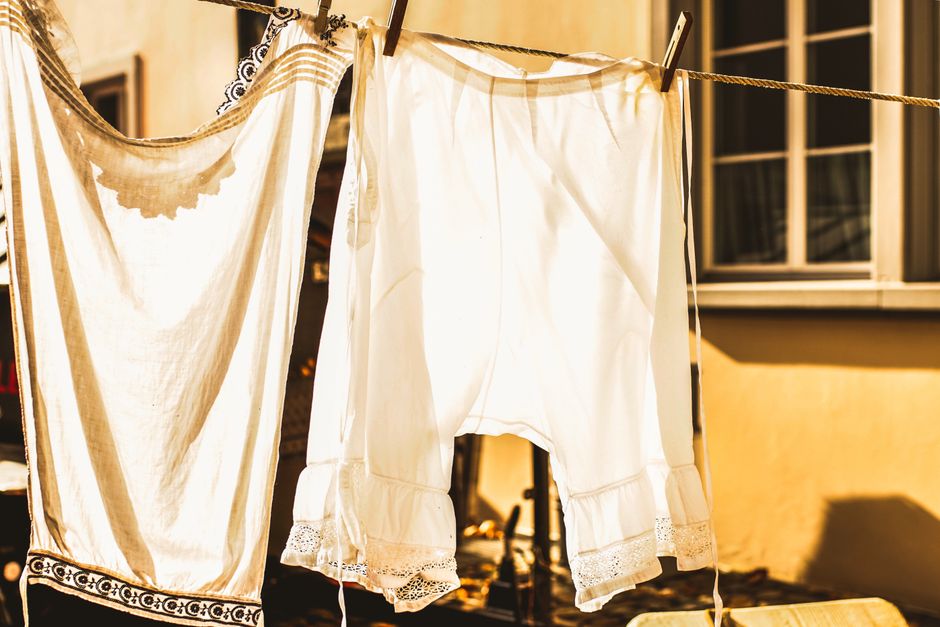
Anyone who hangs their washing outside in Wales is being urged to pay closer attention to what they put on the line, after health experts highlighted a commonly overlooked risk that most people have never even considered.
The warning centres on one specific item that millions of households dry outside without a second thought: pillowcases and bedding. While airing your laundry in the garden might feel like the most natural thing in the world, experts say that bedding left outside can collect pollen, mould spores and other airborne allergens that then get carried straight into your bedroom.
For hay fever sufferers across Wales, this is particularly bad news. Pollen counts in Wales have been high during recent weeks, and allergy specialists are pointing out that drying bedding outdoors during peak pollen season is essentially wrapping yourself in allergens every single night. You then spend eight hours with your face pressed against a pillowcase covered in the very stuff that makes your eyes water and your nose run.
Allergy UK has been pushing this message ahead of the warmer months, noting that the number of people in the UK living with some form of allergic condition has risen sharply in recent years. Wales is no different, with a significant chunk of the population dealing with seasonal allergies that can seriously affect sleep quality and day to day wellbeing.
The advice is not to stop drying clothes outside altogether. Fresh air and sunlight are genuinely good for most laundry, helping to kill bacteria and reduce the need for tumble drying, which is both expensive and energy hungry. The issue is specifically with items that go directly on or near your face while you sleep.
Sheets, pillowcases and duvet covers are the main culprits. If pollen counts are high, which in Wales they often are from late spring right through to early autumn, these items are better dried indoors on a clothes horse or using a tumble dryer if you have one. Regular clothing is far less of a concern because it does not spend hours in contact with your eyes, nose and mouth the way bedding does.
For people who do not have a tumble dryer or much indoor drying space, the timing of when you hang things out can also make a difference. Pollen counts tend to be highest in the morning and early evening, so putting bedding out at midday and bringing it in before late afternoon can reduce exposure, though it does not eliminate the risk entirely.
Mould spores are another concern that does not get talked about as much as pollen but can be just as problematic. In wetter parts of Wales especially, damp air can mean that laundry left outside for extended periods actually picks up moisture and spores rather than drying out properly. Bedding that smells fresh after a day on the line is not necessarily clean in the way you might assume.
For parents of young children or anyone in the household with asthma, the stakes are a bit higher. Asthma triggers are highly individual but pollen and mould are among the most common, and poor sleep caused by nighttime allergy symptoms can have a knock on effect on everything from mood to concentration.
The simple takeaway is this: dry your t-shirts, jeans and towels outside as much as you like. But during pollen season, keep your pillowcases and bedding indoors. It is a small change that could make a real difference to how well you sleep and how you feel in the morning.