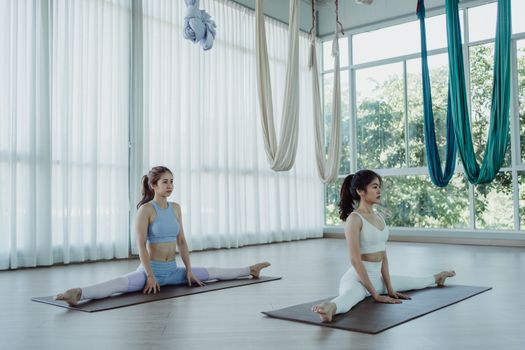
It is the ultimate party trick, guaranteed to elicit gasps of admiration on a dancefloor or a stage. Recently, the splits have enjoyed a high-profile resurgence on our television screens. On the latest season of Love Island USA, contestant Kenzie Annis became an internet sensation by dropping into the splits during moments of both sheer delight and utter rage. Meanwhile, on RuPaul’s Drag Race, the move remains the definitive exclamation mark of any high-stakes lip-sync battle.
This frequent television exposure has inspired a wave of viewers to try the manoeuvre at home. Social media platforms are currently awash with challenges promising to help beginners achieve the perfect split in thirty days. However, fitness experts and physiotherapists are urging extreme caution, warning that rushing into this demanding demonstration of flexibility can lead to severe, long-lasting injuries.
Ramoni Overton, a yoga instructor and YouTuber, notes that seeing the splits on popular programmes often makes people want to push themselves to new physical heights. Yet, she cautions that the move is not a simple trick but a complex physical feat that requires dedication, preparation, and a deep understanding of one’s own body. For the average person, dropping straight down onto the carpet without proper training is a direct route to the local accident and emergency department.
The primary danger lies in hamstring tears, groin strains, and hip joint damage. Unlike muscles, which can stretch and recover with relative ease, ligaments and tendons have limited elasticity. Forcing the body into a position it is not prepared for can cause micro-tears in these connective tissues, leading to months of painful rehabilitation.
Furthermore, human anatomy plays a significant role in what is physically possible. The shape of a person’s hip sockets, specifically the angle of the femoral neck, can physically prevent some individuals from ever achieving a full side or front split, regardless of how much they practise. For these individuals, forcing the joint can cause bone-on-bone contact, leading to chronic joint issues.
For those determined to master the move safely, experts advocate a slow and steady approach. The golden rule is never to stretch cold. A thorough warm-up, involving at least ten minutes of cardiovascular exercise to increase blood flow to the muscles, is non-negotiable. From there, the focus should be on building active flexibility rather than just passive stretching. This means strengthening the muscles surrounding the hips and hamstrings so they can safely support the body at its maximum range of motion.
Beginners are advised to start with gentle, preparatory poses. Low lunges, half-splits, and wide-legged forward folds are excellent for gradually opening up the hips and lengthening the hamstrings. Using props, such as yoga blocks or sturdy cushions, can help bridge the gap between the body and the floor, reducing the risk of over-stretching.
Ultimately, flexibility is a highly personal journey that cannot be rushed to meet a social media deadline. It requires listening to your body and accepting its limitations. While dropping into a flawless split may look spectacular on television, maintaining healthy, pain-free joints for the long term is a far more rewarding achievement.