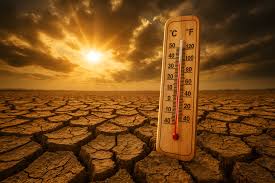
Southern England is enduring its longest dry spell in 30 years as a relentless heatwave stretches beyond the two-week mark, bringing scorched lawns, hosepipe warnings and fraying tempers to communities across the region.
Meteorologists have confirmed that parts of England have gone without meaningful rainfall for a period not seen since the early 1990s, with the heatwave now officially clocking 14 consecutive days. While all four UK nations have experienced unusually warm conditions in recent weeks, it is southern England that has borne the brunt of the prolonged heat, with temperatures consistently pushing into the high twenties and low thirties.
The Met Office has been monitoring the situation closely, with forecasters noting that the combination of a blocking high-pressure system sitting stubbornly over the British Isles and warm air sweeping up from continental Europe has created the conditions for this exceptional run of dry, hot weather. Such patterns are becoming an increasingly familiar feature of British summers, though a stretch of this length remains notable even by recent standards.
For farmers and agricultural workers across the south of England, the prolonged dry spell is causing serious concern. Crops that rely on consistent moisture are showing signs of stress, and the National Farmers Union has already raised the alarm about potential yield losses heading into the harvest season. Pasture land that would normally remain green well into summer has turned brown and brittle, forcing some livestock farmers to dip into winter feed reserves far earlier than planned.
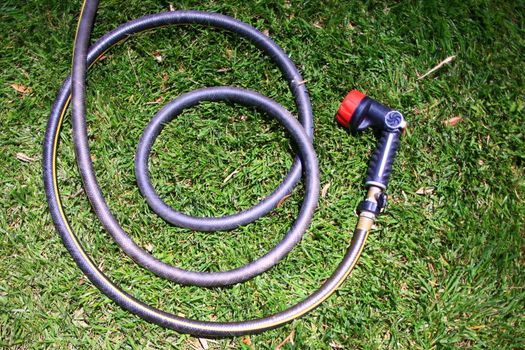
Water companies serving the south east and south west have begun issuing guidance to customers about reducing consumption, with several firms warning that hosepipe bans could follow if the dry conditions persist for another week or two. Reservoirs in parts of Kent, Sussex and Hampshire are reported to be tracking below their seasonal averages, raising the prospect of the kind of supply pressures that caused significant disruption during the drought summers of 1976 and 1995.
In towns and cities, the sustained heat is placing pressure on infrastructure that was never designed with prolonged high temperatures in mind. Transport for London issued advice to commuters earlier this week urging them to carry water on Underground journeys, where temperatures on some deep-level lines have been recorded above 30 degrees Celsius. Network Rail has also implemented speed restrictions on certain routes where there is a risk of track buckling, adding delays to already stretched services.
For many residents, particularly older people and those with underlying health conditions, the extended heatwave represents a genuine health risk rather than simply an inconvenience. The UK Health Security Agency has maintained a heat health alert across large parts of England throughout the period, advising people to keep homes cool, stay hydrated and check on vulnerable neighbours. GPs and NHS trusts in the south have reported an uptick in heat-related presentations, including cases of heat exhaustion and dehydration, particularly among elderly patients.
Parks and open spaces across southern England have seen enormous crowds as people seek shade and relief, with litter and overcrowding becoming a secondary concern for local councils already stretched by budget pressures. Popular beauty spots including the South Downs, the New Forest and stretches of the Jurassic Coast have been packed with visitors, prompting some local authorities to issue appeals for people to take their rubbish home and avoid lighting barbecues on dry grassland.
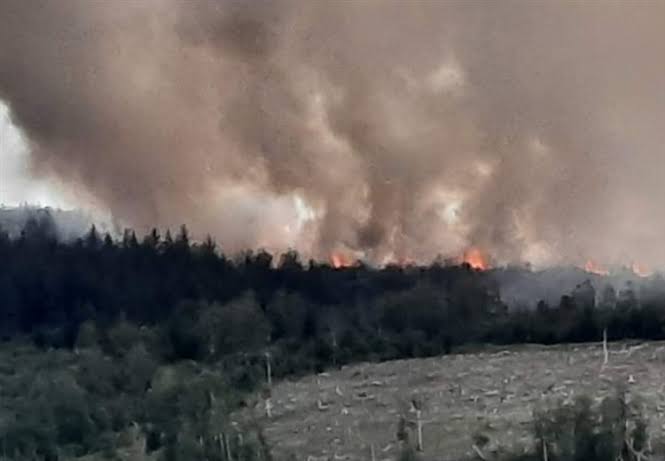
The fire risk across southern England has risen sharply as a result of the dry conditions. Fire services in counties including Surrey, Hampshire and Dorset have responded to a significant increase in grass and woodland fires over the past two weeks, with crews stretched thin during the hottest parts of the day. The London Fire Brigade reported one of its busiest periods in recent memory last week, with firefighters tackling multiple simultaneous grass fires across outer London boroughs.
Environmentalists and climate scientists have been quick to place the heatwave within a broader context. Dr Sarah Pennington of the Centre for Ecology and Hydrology said the event was consistent with projections that have long warned of longer, hotter and drier summers for the United Kingdom as greenhouse gas concentrations in the atmosphere continue to rise.
‘What we are experiencing is not simply a one-off weather event,’ she said. ‘The frequency and intensity of prolonged dry spells and heatwaves in the UK has increased measurably over the past three decades, and the science is clear that this trend will continue unless there is a dramatic reduction in global emissions. Southern England is particularly vulnerable because of its lower average rainfall compared to the north and west, and because of the sheer density of its population and the demands that places on water resources.’
The government has faced questions about whether the UK’s infrastructure and emergency planning is adequately prepared for a future in which summers like this one become routine rather than exceptional. Ministers have pointed to investments in reservoir capacity and flood and drought resilience planning, but critics argue that progress has been too slow and too fragmented to meet the scale of the challenge.
Opposition politicians have seized on the heatwave to renew calls for a more ambitious national water strategy, arguing that the privatised water industry has consistently underinvested in infrastructure while paying out billions in dividends to shareholders. The issue of water company performance has been a politically toxic one in recent years, with public anger running high over sewage discharges into rivers and coastal waters.
For now, however, most people in southern England are focused simply on getting through each sweltering day. Ice cream sales have rocketed, hardware shops report that fans and portable air conditioning units have sold out across the region, and the peculiarly British tradition of complaining about the weather has found a new and enthusiastic audience among those who would normally be first to celebrate the arrival of sunshine.
The Met Office forecast suggests some relief may be on the way within the next seven to ten days, with a change in the pressure pattern potentially allowing cooler, wetter Atlantic air to push in from the west. Until then, southern England will continue to bake, and the record books will keep their close eye on just how long this remarkable dry spell can continue.