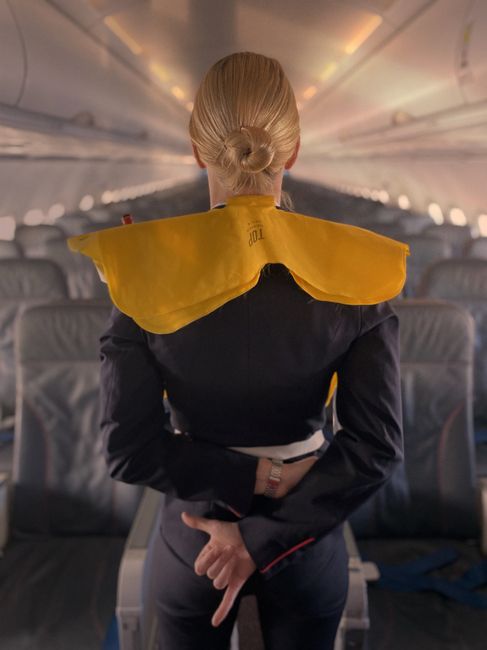
When you dial 999 in West Yorkshire, the voice on the other end of the line could belong to someone who, not long ago, was cruising at 30,000 feet serving passengers on a commercial flight. One of the force’s call handlers has made a remarkable career switch, trading in their cabin crew uniform for a headset at one of England’s busiest police contact centres.
It might sound like an unusual leap, but when you think about it, the skills overlap more than you’d expect. Cabin crew are trained to stay calm under pressure, communicate clearly in stressful situations, and make quick decisions when things go wrong. Those are exactly the qualities needed when someone rings 999 in the worst moment of their life.
West Yorkshire Police has been shining a light on the people behind its contact centre operation, and this particular story has caught attention for just how different a background someone can bring to the role. The officer in question handles emergency and non-emergency calls coming into the force, helping to triage incidents, dispatch officers, and provide reassurance to members of the public at some of their most vulnerable moments.
Contact centre work is often underappreciated in policing. It doesn’t carry the same visible profile as officers on the beat, but it is absolutely critical to how a force functions. Every 999 call that comes in needs to be answered quickly, assessed accurately, and acted on without hesitation. Getting that wrong can have serious consequences.
For someone coming from the airline industry, the transition into this kind of high-pressure environment is not as far-fetched as it sounds. Airlines operate with strict protocols, constant communication, and a culture where staying composed during emergencies is non-negotiable. A cabin crew member who has dealt with medical emergencies mid-flight or managed a panicked passenger at 35,000 feet has already been tested in ways that translate directly to crisis communication on the ground.
West Yorkshire is one of the largest metropolitan police forces in England, covering cities like Leeds, Bradford, Huddersfield, Halifax, and Wakefield. Its contact centre handles a significant volume of calls every single day, ranging from serious emergencies to community concerns and everything in between. The people answering those calls come from all walks of life, and the force has been keen to highlight that policing support roles are open to anyone with the right attitude and transferable skills.
The recruitment push behind stories like this one is deliberate. Forces across England have been working to broaden who they attract into support and civilian roles, recognising that diversity of experience makes teams stronger. Someone who has worked in hospitality, healthcare, retail, or aviation can bring communication skills and emotional intelligence that are just as valuable as formal policing experience.
Call handling is not an easy job. Shifts can be long, the calls can be distressing, and the responsibility is enormous. Handlers regularly speak to people who are frightened, confused, or in genuine danger. They have to extract key information quickly, stay calm themselves, and ensure the right response is mobilised as fast as possible. It requires a specific kind of mental resilience.
For this particular handler, the move appears to have been a positive one. The role offers a sense of purpose that is hard to match, knowing that the work you do directly impacts whether someone in crisis gets the help they need in time.
West Yorkshire Police is currently encouraging people to consider contact centre roles as a genuine career path within the force. No prior policing experience is required, and full training is provided. What they are looking for is people who can communicate well, think clearly under pressure, and genuinely care about helping others.
If you have ever wondered what it takes to be the calm voice on the other end of a 999 call, the answer, it turns out, might already be sitting somewhere in your existing experience.