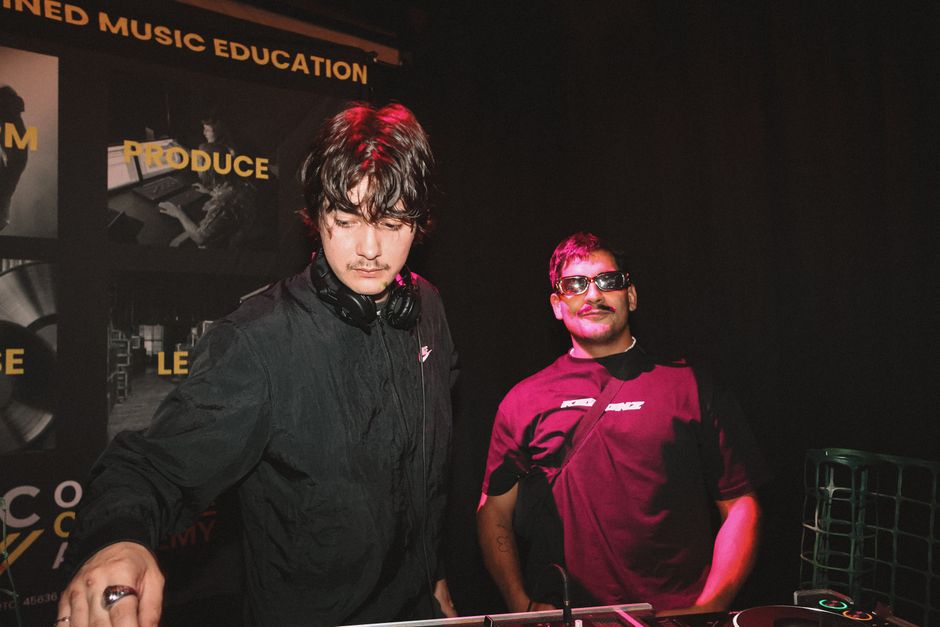
A 60-year-old film that was once deemed too disturbing for British television got a fresh and powerful treatment at Cardiff’s Chapter Arts Centre last week, when musicians Mark Foley and James Hale performed a specially created live soundtrack to Peter Watkins’ legendary 1965 documentary The War Game.
The War Game is one of those films that most people have heard of but relatively few have actually seen. The BBC commissioned it, then promptly banned it from broadcast for over 20 years because its unflinching depiction of a nuclear attack on Britain was considered too harrowing for audiences. It eventually won an Oscar for Best Documentary Feature in 1966, which made the BBC’s decision to keep it locked away look all the more absurd.
Watkins shot the film in a gritty, realistic style that made it feel less like a drama and more like genuine news footage. Set in Kent, it follows the aftermath of a Soviet nuclear strike, showing in brutal detail what would actually happen to ordinary people, their bodies, their communities, and their minds. Civil defence myths are torn apart one by one. The government comes across as hopelessly underprepared. It is not comfortable viewing, and that was entirely the point.
Foley and Hale were so struck by the film when they first watched it that they felt they had to do something with that reaction. The result was Resoundtracked, a project where they composed and performed an original score designed to sit alongside the film in a live setting. The Chapter Arts Centre in Cardiff provided the venue for what turned out to be a genuinely affecting evening.
Playing the score live rather than simply adding it to the film in post-production was a deliberate choice, and it paid off. There is something about watching musicians respond to images in real time that adds a layer of tension and presence that a recorded soundtrack simply cannot replicate. Every beat feels considered. Every moment of silence feels loaded.
The music itself reportedly drew on a range of textures and tones to match the film’s shifting moods, from the eerie calm of the early scenes to the chaos and grief that follows the attack. Rather than trying to soften the film’s impact, the score seemed designed to amplify it, to make sure audiences felt the weight of what they were watching rather than being able to keep it at arm’s length.
Chapter Arts Centre has long been one of Cardiff’s most important cultural venues, the kind of place that takes risks on programming and trusts its audience to engage with challenging material. Hosting an event like this fits squarely within that tradition. It is the sort of evening that reminds you what arts venues are actually for.
The timing of the performance felt relevant too. Debates about nuclear weapons, global security and the very real possibility of large-scale conflict have not gone away. If anything, they feel more pressing now than they have in decades. Watkins made The War Game because he believed people were sleepwalking toward catastrophe without any honest understanding of what nuclear war would actually mean. Watching it in 2025, it is hard to argue that much has changed.
For Foley and Hale, the project seems to have been as much about processing their own response to the film as it was about creating something for an audience. That kind of personal investment tends to come through in performance, and by all accounts it did here.
The War Game remains one of the most important British films ever made, not because it is enjoyable to watch, but because it forces a confrontation with truths that are much easier to ignore. Giving it a new live score and bringing it to a Cardiff audience was a bold and worthwhile thing to do.