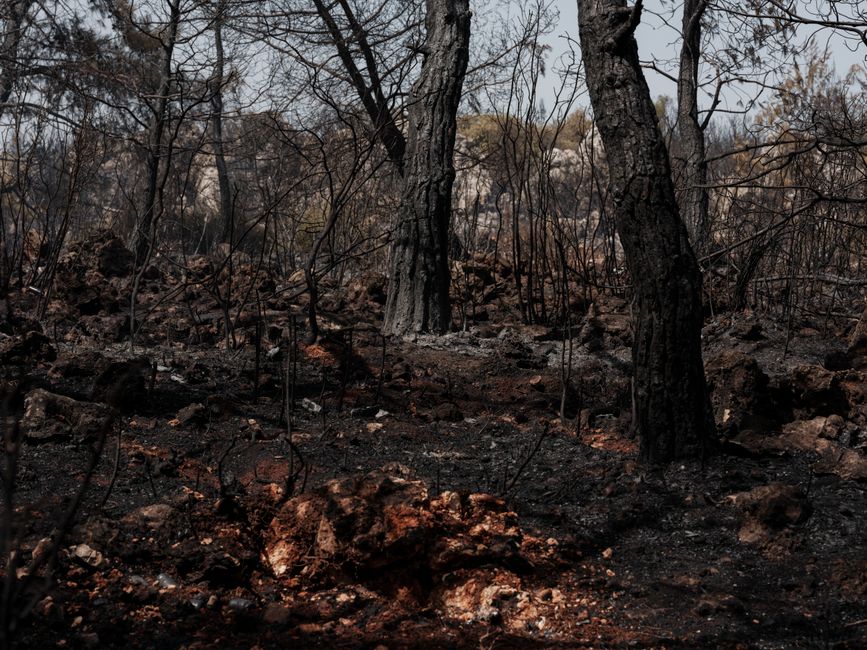
Emergency crews have achieved a major breakthrough in their battle against a raging wildfire in the Cairngorms, successfully surrounding the blaze after five gruelling days of firefighting operations in the Glenmore area.
Scottish Fire and Rescue Service teams have been working around the clock since the fire first broke out, tackling one of the most challenging wildfires to hit the national park in recent memory. The operation has stretched resources significantly, with crews battling difficult terrain and unpredictable conditions deep within one of Scotland’s most treasured natural landscapes.
Authorities confirmed that ‘significant progress’ has now been made, with firefighters managing to encircle the fire in a critical development that marks a turning point in the emergency response. The news has brought relief to local communities and conservation groups who have watched anxiously as the blaze threatened the iconic highland environment.
Glenmore, nestled within the Cairngorms National Park, is home to rare and ancient Caledonian pine forests, diverse wildlife habitats, and some of Scotland’s most breathtaking scenery. The area attracts thousands of visitors each year and holds enormous ecological importance, making the wildfire a matter of serious concern far beyond the immediate emergency.
The five-day operation has required close coordination between multiple agencies, with Scottish Fire and Rescue Service personnel supported by partner organisations working to prevent the fire from spreading further into the surrounding woodland and moorland. Aerial resources and ground crews have both played vital roles in bringing the situation under control.
Wildfires in Scotland have become an increasingly pressing concern in recent years, with climate experts warning that rising temperatures and prolonged dry spells are creating conditions more favourable to large-scale blazes. The Cairngorms incident has once again highlighted the vulnerability of Scotland’s upland landscapes during dry and windy periods.
Conservation bodies have long called for greater awareness around fire risk in Scotland’s wild spaces, particularly during spring and summer months when vegetation is dry and visitor numbers are high. Accidental ignition from campfires and discarded materials remains a leading cause of moorland and woodland fires across the country.
Local residents and businesses in the Glenmore area had been monitoring the situation closely throughout the week, with the nearby Glenmore Forest Park and its popular visitor facilities sitting in the shadow of the unfolding emergency. The park, which draws walkers, cyclists, and outdoor enthusiasts from across Scotland and beyond, is a cornerstone of the local tourism economy.
While the surrounding of the fire represents a significant milestone, crews are expected to remain on the scene to ensure the blaze is fully extinguished and to monitor for any resurgence. Wildfires in peat-rich environments can smoulder beneath the surface for extended periods, requiring sustained vigilance even after visible flames have been brought under control.
Scottish Fire and Rescue Service has urged the public to remain cautious and to follow any guidance issued by local authorities regarding access to affected areas. Anyone who spots signs of fire in the countryside is encouraged to call 999 immediately rather than attempting to tackle the blaze themselves.
The successful containment effort has been widely praised, with tributes paid to the firefighters and emergency personnel who have worked tirelessly in demanding conditions to protect one of Scotland’s most precious natural environments.