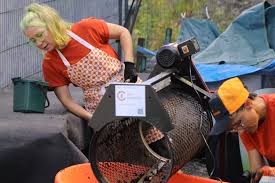
A quiet revolution is happening in back gardens, community centres and local cafes across Wales, and it smells faintly of coffee and damp leaves. A growing network of composting champions are making the case that food waste is too valuable to throw away, arguing it should be treated like water and kept circulating within the communities that produce it.
From used coffee grounds being repurposed as guinea pig bedding to kitchen peelings being transformed into rich soil, the people driving this movement say the answers to food waste have been under our noses the whole time.
Compost champions across Wales are pushing back against the idea that organic waste is simply rubbish to be collected and dealt with elsewhere. Instead, they want households, cafes, schools and community groups to see leftover food and organic material as a local resource that can feed back into local growing projects, gardens and green spaces.
The philosophy is simple enough. When food waste leaves a community, so does everything that went into producing it, the water, the energy, the nutrients. Keeping it local through composting closes that loop and puts something genuinely useful back into the ground.
Cafes have become unlikely heroes in the story. Coffee shops produce enormous quantities of spent grounds every single day, and for a long time most of it ended up in general waste. Now some Welsh businesses are partnering with local composters and community gardeners to pass those grounds on directly. The grounds break down well in compost heaps and are also being used as animal bedding, particularly for small pets like guinea pigs where the soft, absorbent material works surprisingly well.
It is the kind of practical, slightly unexpected solution that composting advocates love. Nothing is wasted, everything finds a use, and it all stays in the neighbourhood.
Community composting schemes have been popping up in towns and villages across Wales, giving people who live in flats or homes without gardens somewhere to drop off their food scraps. The sites are often run by volunteers who manage the heaps, turn the material regularly and eventually distribute the finished compost to local growers and allotment holders.
For people involved in these projects, the benefits go well beyond the practical. The schemes bring neighbours together, create shared spaces and give people a tangible connection to where their waste ends up. Instead of putting a bag out and forgetting about it, you are actively participating in turning something unwanted into something valuable.
Wales already has some of the best household recycling rates in the world, but composting advocates argue that food waste still does not get the attention it deserves within that picture. Even when food waste is collected by councils and sent to anaerobic digestion facilities, it has left the community entirely. The argument from local composters is that processing it closer to home, in gardens and community sites, keeps the benefits local too.
Schools are another area where composting is gaining ground. Some Welsh schools have introduced composting programmes that let pupils manage a heap, learn about soil science and grow vegetables using the compost they have made themselves. Teachers involved in these projects say the impact on how children think about waste and food can be significant, and the lessons tend to stick in a way that a classroom lecture about recycling simply does not.
The movement is not without its challenges. Composting done badly can attract pests, create bad smells and put people off the whole idea. Getting the balance of materials right, enough browns like cardboard and dry leaves to offset the wet greens like vegetable peelings, takes a bit of learning. Community schemes also need consistent volunteer commitment to keep running smoothly.
But the people involved say the barriers are lower than most people assume, and that once someone makes their first batch of finished compost and digs it into a vegetable bed, they rarely look back.
The broader message from Wales composting advocates is that communities do not need to wait for big infrastructure or government programmes to start dealing with food waste differently. A bin, some kitchen scraps, a bit of outdoor space and a willingness to learn is enough to get started. And if your local cafe is handing out coffee grounds for free, so much the better.
Really love this! We’ve been chucking our coffee grounds on the garden for years but never thought about doing it properly like this. Might have to get the neighbours involved, theres so much waste we could be putting to better use 🌱