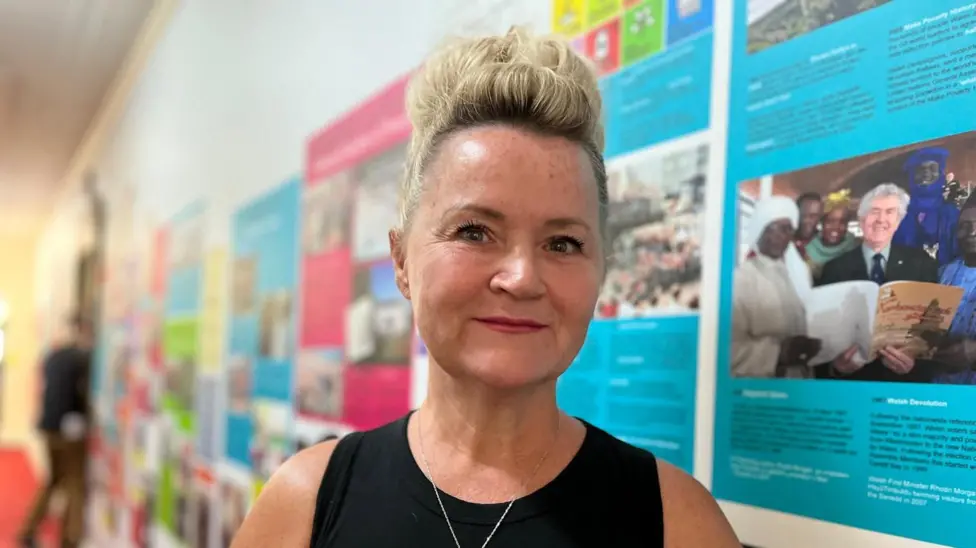
A Welsh woman says she is facing life without her bowel after years of crippling pain was repeatedly dismissed by medical professionals, and claims she only started being taken seriously when her husband stepped in to speak on her behalf.
Donna Davies had been living with constant, debilitating pain following an operation, but says her concerns were brushed aside time and again until her husband accompanied her to appointments and voiced the same worries she had been raising for years.
The experience has left Donna not only facing a life-changing surgical procedure, but also deeply frustrated by what she describes as a pattern of women having their pain minimised or ignored within the healthcare system.
“I was in agony and nobody was listening,” Donna said. “The moment my husband spoke up, suddenly things started moving. That should never be the case. I should have been believed from the start.”
Donna’s ordeal began after a routine operation left her in far worse shape than expected. Rather than recovering, she found herself dealing with persistent, severe pain that affected every part of her daily life. Simple tasks became enormous challenges. Sleep was difficult. Normal life felt out of reach.
She went back to doctors repeatedly, describing her symptoms and pushing for answers. But she says the response she received was far from adequate. Her pain, she felt, was not being taken at face value.
It was only when her husband attended appointments with her and raised the same concerns that the medical response began to shift. Investigations were carried out more thoroughly, and the severity of her condition was finally acknowledged. By that point, however, the damage had progressed to the stage where losing her bowel had become a very real possibility.
Donna’s story has struck a chord with many women across Wales who say they have faced similar battles trying to get medical professionals to take their pain seriously. Campaigners and patient advocates have long pointed to a well-documented gender gap in pain treatment, where women are statistically more likely than men to have their symptoms attributed to anxiety or stress rather than physical causes.
Research has consistently shown that women wait longer in emergency departments, are less likely to be given strong pain relief, and are more likely to have their complaints dismissed or downplayed. For women dealing with conditions affecting the gut, bowel, or reproductive system, this gap can be particularly dangerous.
Donna wants her story to push for real change in how patients, and particularly women, are treated when they come forward with pain.
“No one should have to bring someone else along just to be believed,” she said. “I had to rely on my husband to validate what I was already telling them. What about women who don’t have that support? What happens to them?”
The case raises serious questions about how Welsh health services handle patient complaints around pain management, and whether enough is being done to ensure that all patients feel heard regardless of their gender.
For Donna, the focus now is on getting through what lies ahead medically. Losing her bowel would mean permanent, life-altering changes to how her body functions, requiring ongoing management and adjustments to daily life that most people never have to consider.
She is speaking out not just for herself, but for every patient who has sat in a waiting room, described their pain clearly and honestly, and been sent home without answers. Her message is straightforward: believe patients when they say they are suffering, and do not wait until things reach a crisis point before acting.
Health campaigners in Wales are calling on NHS Wales to review how pain is assessed during consultations and to introduce clearer safeguards to prevent cases like Donna’s from happening again. With waiting lists already under significant pressure and resources stretched across Welsh health boards, advocates argue that listening properly the first time is not just the right thing to do, it also saves the system from dealing with far more complex and costly interventions down the line.
Donna’s case is a stark reminder that being heard in a medical setting should never depend on who is in the room with you.