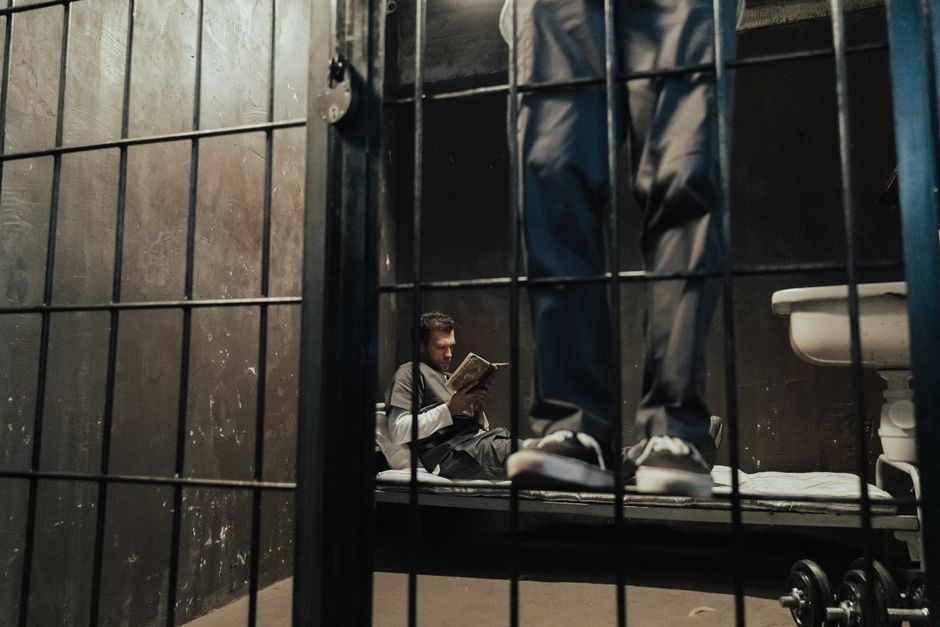
Scotland’s prison system is in serious trouble, with the population behind bars continuing to climb and pressure mounting on the SNP government to take responsibility for what critics are calling a crisis of their own making.
The Scottish Conservatives have come out swinging, arguing that the overcrowding gripping Scottish jails is a problem that sits squarely at the feet of the SNP. The party has been in power at Holyrood for well over a decade, and opponents say that is more than enough time to have tackled the structural issues driving record numbers of people into custody.
Scottish prisons have been struggling with capacity for some time now. Facilities built to house a certain number of inmates are routinely holding far more, putting pressure on staff, creating safety concerns, and making rehabilitation programmes harder to deliver. When prisons are packed beyond what they were designed for, everything from mental health support to education and skills training becomes harder to provide.
The Tories argue this is not some external force the government has been powerless to stop. They point to years of warnings from prison governors, inspectors and justice campaigners that the system was heading toward breaking point. Those warnings, they say, were largely ignored.
Justice in Scotland is a devolved matter, meaning Holyrood has significant control over sentencing policy, community justice alternatives, and how the prison estate is managed. That makes it difficult for the SNP to point the finger elsewhere, though the party has in the past highlighted wider social issues, underfunding from Westminster on broader budgets, and the complexity of reducing reoffending as factors outside any single government’s control.
What is clear is that the numbers keep going up. Scotland already has one of the highest imprisonment rates in Western Europe, a fact that has long embarrassed successive administrations and prompted calls for a more radical rethink of how the country deals with offending.
Campaigners have for years pushed for greater use of community sentences for low-level offences, arguing that short prison terms do little to stop reoffending and often make things worse by disrupting housing, employment and family ties. Some progress has been made in that direction, but clearly not enough to reverse the overall trend.
For the people working inside Scottish prisons, the rising population is felt every single day. Prison officers have raised concerns about safety, with more incidents being reported in overcrowded conditions. The Scottish Prison Service has had to manage the situation as best it can, but there are limits to what operational staff can do when the fundamental problem is one of policy and capacity.
The Conservatives are using this issue to hammer the SNP ahead of any upcoming political battles, framing it as evidence of broader governance failures. Whether that message cuts through with voters will depend on how much the public connects the abstract idea of prison overcrowding with the day-to-day decisions being made at Holyrood.
What is harder to argue against is that Scotland needs a serious, long-term plan to get its prison population under control. That means investing in the alternatives to custody that actually work, addressing the underlying issues of addiction, mental illness and poverty that drive so many people into the justice system in the first place, and being honest about the fact that locking more people up has not made Scotland safer.
The debate around prisons is rarely a vote-winner, but it matters. How a country treats the people it incarcerates says a lot about its values, and right now Scotland’s overcrowded jails are sending a message that few would be proud of.