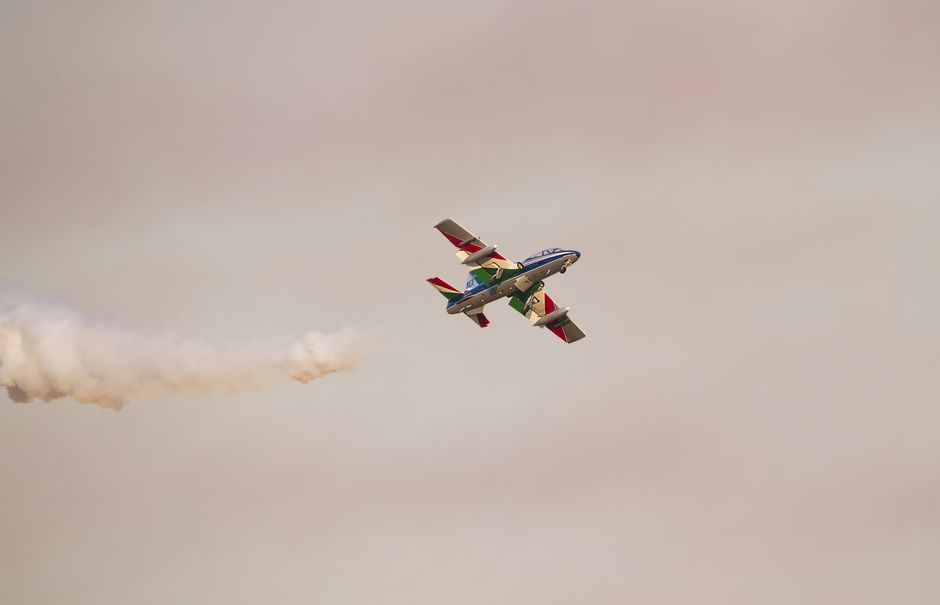
A pilot has been left with life-changing injuries after a serious accident at an airshow in Essex, with investigators now launching a full inquiry into what went wrong.
The incident happened at Stow Maries Great War Aerodrome, one of the best-preserved First World War airfields in the country, during what should have been a routine display flight. Emergency services attended the scene and the pilot was taken to hospital, where they remain with injuries described as life-changing.
The Air Accidents Investigation Branch, the government body responsible for looking into aviation incidents across the UK, has confirmed it is investigating the crash. The AAIB will examine the aircraft, review any available footage, and speak to witnesses as part of its probe into the cause of the accident.
Stow Maries Aerodrome sits in the rural Essex countryside between Maldon and Chelmsford and holds a special place in British aviation history. The site dates back to 1916 and was used by the Royal Flying Corps during the First World War to defend London against German Zeppelin raids. It is one of the only surviving examples of a wartime aerodrome that still looks much as it did over a century ago, and it regularly hosts airshows and flying events that draw enthusiasts from across the country.
Airshows have faced increased scrutiny in recent years following a number of high-profile accidents at events across England. The most devastating in recent memory was the Shoreham Airshow disaster in 2015, when a vintage Hawker Hunter jet crashed onto the A27 dual carriageway in West Sussex, killing 11 people on the ground. That tragedy led to sweeping changes in how airshows are regulated and how display pilots are assessed.
The AAIB typically publishes preliminary findings within a few weeks of an incident, with a full report following later depending on the complexity of the investigation. Its reports are focused on safety and understanding the cause of accidents rather than attributing blame, with findings often leading to new guidance or rule changes for the wider aviation industry.
The aerodrome has not yet released a detailed public statement about the condition of the pilot or the specific circumstances of the crash. It is not yet clear what type of aircraft was involved or at what stage of the display the accident occurred.
For those who attend airshows regularly, incidents like this are a stark reminder of the risks that display pilots take every time they perform. Flying vintage or specialist aircraft at low altitude in front of crowds requires an exceptional level of skill, and even experienced pilots can find themselves in serious trouble when something unexpected goes wrong.
The investigation is ongoing and further updates are expected from the AAIB as their inquiry progresses.