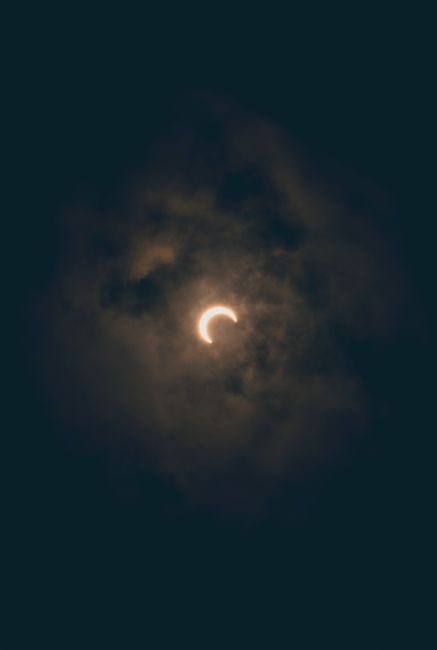
Scotland is in line to witness one of the most significant solar eclipses in living memory, with the upcoming celestial event set to be the fullest visible from the UK in the next 54 years. Here is everything you need to know about when it is happening and what Scottish skywatchers can realistically expect to see.
The eclipse in question is scheduled for August 12, 2026, and it is already generating serious excitement among astronomers and casual stargazers alike. The path of totality, where the moon completely blocks out the sun, will sweep across parts of Europe including northern Spain and Iceland. While Scotland will not sit directly within that narrow band of total darkness, the country will still experience a substantial partial eclipse, which is well worth stepping outside for.
From most parts of Scotland, observers can expect to see somewhere between 90 and 95 percent of the sun covered at the peak of the event. That is enough to noticeably dim the daylight, drop temperatures, and create that eerie twilight atmosphere that makes eclipses such a memorable experience. The further north and west you are in Scotland, the greater the coverage is likely to be, with the Northern Isles potentially seeing some of the best views in the whole of the UK.
The eclipse is expected to begin in Scottish skies during the late morning, with the moon starting to creep across the face of the sun before reaching maximum coverage around midday. The whole event will play out over a couple of hours before the sun gradually returns to its full brightness.
Of course, Scotland being Scotland, the weather is the big unknown. August can be glorious or grim depending on the year, and cloud cover has a habit of ruining the best-laid plans for sky watching. Meteorologists will not be able to give reliable forecasts until much closer to the date, so the advice from astronomers is simple: keep an eye on the forecast in the days before and be ready to travel if needed. Even a short drive to find a gap in the clouds can make all the difference.
For anyone planning to watch, safety is the top priority. Looking directly at the sun without proper protection can cause serious and permanent eye damage within seconds. Standard sunglasses, no matter how dark, are not sufficient. You need certified eclipse glasses that meet the ISO 12312-2 international safety standard. These are widely available online and from science centres and planetariums, and demand tends to spike in the months before a major eclipse so it is worth getting organised well in advance.
Alternatively, a simple pinhole projector made from a cardboard box can project an image of the eclipse onto a surface, letting you watch the whole thing safely without any specialist kit.
Scotland has a strong community of amateur astronomers, and groups across the country are already beginning to talk about organised viewing events. Locations like the Galloway Forest Dark Sky Park, which already draws visitors for its exceptional night skies, are likely to host gatherings, and schools and science centres will probably run educational events around the date.
For those willing to travel, northern Spain is shaping up to be one of the prime destinations for eclipse chasers hoping to experience totality. Cities like Bilbao and Zaragoza are expected to fall within or very close to the path of totality, and travel packages are already being put together by tour operators. Iceland is another option for those who fancy combining the eclipse with a wider trip, though weather reliability there is also a gamble.
But for the many people who simply want to step into their garden or head to a local park and look up, Scotland will offer a genuinely impressive show. A near-total eclipse is a rare and striking thing, and 2026 represents a real opportunity to experience something that will not come around again at this scale for decades.
Mark August 12, 2026 in the calendar now. Start thinking about where you want to be, get your eclipse glasses sorted early, and hope that the Scottish weather decides to play ball for once.