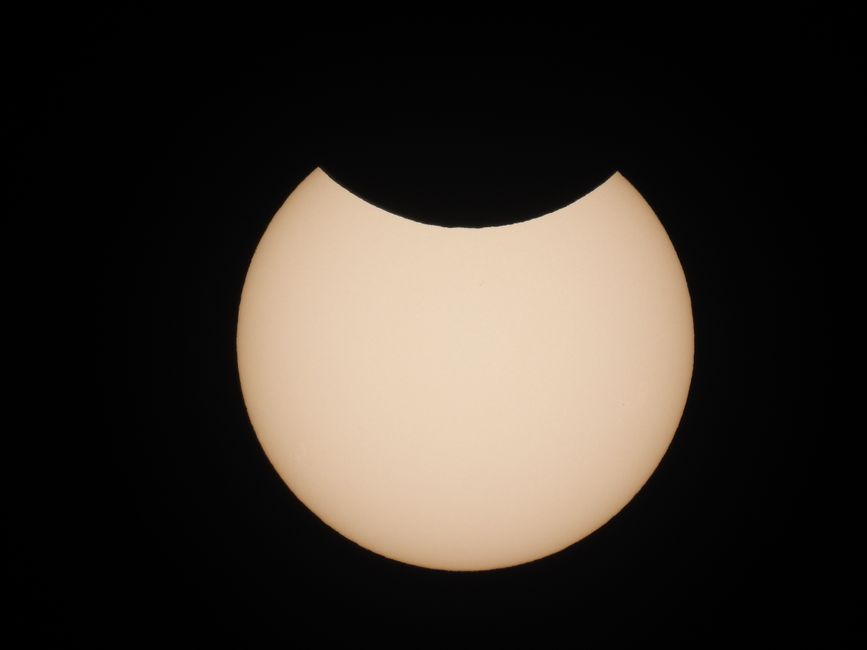
A solar eclipse is on the way, and if the clouds play ball, Ireland is in for a decent show. Here is everything you need to know before you head outside to catch it.
The southwest of the country is shaping up to be the best spot to watch from, with areas like Kerry and Cork offering the clearest potential views depending on weather conditions. That said, no matter where you are in Ireland, you should get at least a partial eclipse, so it is worth keeping an eye on the sky regardless of where you live.
The big question for most people will be the weather, because this is Ireland after all. Met Eireann will be worth checking in the days leading up to the event, and if you are serious about catching a good view, it might be worth considering a short trip to higher ground or an open coastal spot away from city light pollution and cloud cover.
Before anything else though, the most important thing to sort out is proper eye protection. Looking directly at the sun during an eclipse without the right gear can cause serious and permanent damage to your eyesight. Regular sunglasses, no matter how dark they are, do not cut it. You need certified eclipse glasses that meet the ISO 12312-2 international safety standard. These are widely available online and in some science and hobby shops, but make sure you are buying from a reputable source and that the glasses are not damaged or scratched before use.
If you cannot get hold of eclipse glasses in time, a pinhole projector is a safe and easy alternative you can make at home. All you need is two pieces of card. Make a small hole in one piece, hold it up to the sun and let the light project through onto the second piece of card held below it. It sounds basic but it actually works well and is a great option for kids who might struggle to keep glasses on properly.
Another option is to watch a live stream of the eclipse online. Several astronomy groups and science organisations broadcast these events in real time, which takes the pressure off if you are stuck somewhere with bad weather or no access to proper eye protection.
For those who want to make a proper occasion of it, astronomy clubs around Ireland often organise viewing events for solar eclipses and similar sky events. These are worth looking out for because they usually have proper telescopes fitted with solar filters, meaning you get a far better view than you would with the naked eye, and there are usually people on hand to explain what you are actually looking at.
In terms of what to expect visually, a partial solar eclipse is when the moon moves across the face of the sun but does not fully block it out. Depending on the coverage percentage in your area, you might notice the light around you taking on a slightly strange, flat quality as the eclipse peaks. Animals sometimes react oddly to it too, with birds going quiet or behaving as if dusk is approaching.
Ireland does not sit in the path of total solar eclipses all that often, so even a partial one is worth making the effort for. The last time Ireland got a significant eclipse view was back in 2015, when a large portion of the sun was blocked out and it caused quite a buzz around the country.
So to recap the key points: head southwest if you can for the best chance of a clear view, get your ISO-certified eclipse glasses sorted well in advance, have a pinhole projector as a backup plan, and check the weather forecast before you commit to a viewing spot. Most importantly, never look directly at the sun without proper protection, even for a second.
Saw the last one from my back garden with a pair of those cardboard glasses, absolute magic. Don’t miss this one lads, even if it’s only partial over Ireland the atmosphere is still brilliant. Just hope the clouds behave themselves for once!