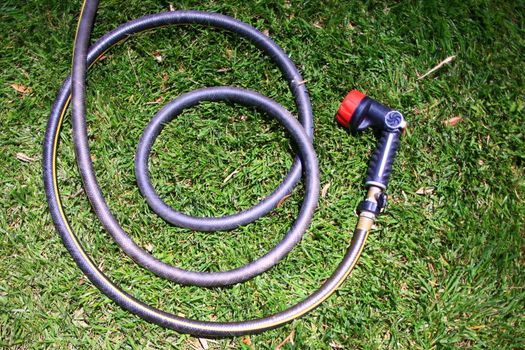
London residents are facing immediate restrictions on their water usage as a strict hosepipe ban comes into effect across a vast number of postcodes in the capital. Water utility companies have announced the emergency measures following a prolonged period of dry weather and unprecedented demand on the region’s water infrastructure. The temporary ban aims to safeguard essential water supplies and protect the local environment from severe depletion.
Under the newly implemented rules, households in the affected postcodes are strictly prohibited from using a hosepipe for several common domestic tasks. This includes watering gardens or lawns, washing privately owned cars, cleaning patios, paths, and driveways, as well as filling domestic swimming pools, paddling pools, or ornamental fountains. Anyone found violating these restrictions could face prosecution and a hefty fine of up to £1,000.
The ban impacts a wide range of London districts, covering a significant portion of the city’s residential areas. Among the primary postcodes hit by the immediate restrictions are those in South London, including SE1, SE5, SE10, SE15, and SE22. West and Southwest London are also heavily affected, with postcodes such as SW1, SW3, SW6, SW11, SW15, SW19, W2, W4, W6, and W11 all subject to the new regulations. In East and North London, residents in E1, E3, E8, E17, N1, N4, N8, N19, NW1, and NW3 must also adhere to the strict guidelines. Water companies have advised customers to check their local provider’s website to confirm if their specific street is covered, as some boundaries may overlap.
Environmental experts and water industry representatives have explained that the decision, while disruptive, was absolutely necessary. Months of below-average rainfall, combined with high summer temperatures, have left reservoirs and rivers at critically low levels. By curbing non-essential water use, companies hope to ensure there is enough water available for vital services, such as hospitals, firefighting, and basic hygiene.
While the restrictions are severe, certain exemptions do apply. Residents are still permitted to water their gardens using a watering can or bucket, which encourages more targeted and less wasteful water use. Drip irrigation systems and greywater, such as recycled bathwater or washing-up water, can also be utilised to keep plants alive. Additionally, commercial businesses that rely on hosepipes for their daily operations are generally exempt, though they are urged to practice water conservation wherever possible. Water companies have not yet specified an end date for the restrictions, stating that the ban will remain in place until water levels recover sufficiently.