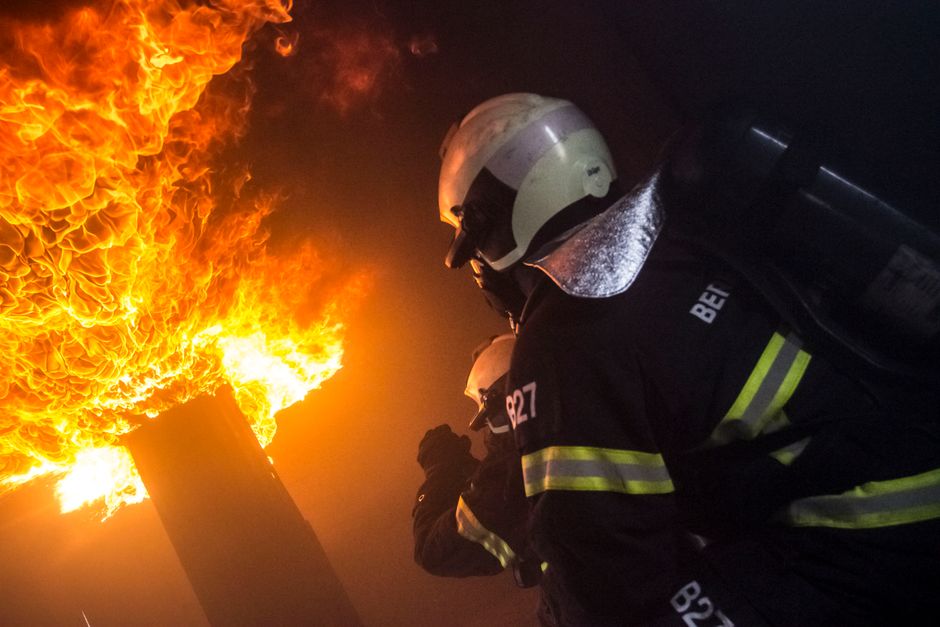
Firefighters in Tipperary are still battling a stubborn wildfire on Slievenamon mountain, now entering its sixth consecutive day, as crews work to get the blaze fully under control on one of the county’s most recognisable landmarks.
The fire has been burning across the hillside for nearly a week now, with fire services personnel continuing to tackle the outbreak despite the extended effort required. The prolonged nature of the blaze has put significant pressure on local fire crews, who have been working to prevent the fire from spreading further across the mountain terrain.
Slievenamon, which sits at over 700 metres and is steeped in Irish mythology, presents a real challenge for firefighters due to its steep slopes and the dry vegetation that has built up across the hillside. Accessing remote areas of the mountain makes the job considerably harder than dealing with a fire on flat ground.
Meanwhile, there is some better news coming out of Wicklow, where a major fire in the Glencree area has finally been extinguished. Wicklow County Council confirmed the main fire is out, but warned that the situation is not fully resolved just yet, with certain areas still smouldering and requiring ongoing monitoring.
Glencree, nestled in the Wicklow Mountains, is a popular area for walkers and outdoor enthusiasts, and the fire had raised serious concerns about the impact on the local landscape and wildlife habitat. The valley is home to a range of protected species and forms part of the wider Wicklow Mountains National Park area, making any fire damage there particularly significant from an environmental standpoint.
The council’s warning about smouldering patches is not something to be taken lightly. Fires in bogland and upland areas can continue burning underground through layers of peat long after the visible flames are gone, and a change in wind conditions or dry weather can cause them to flare back up without much warning. Fire crews and council officials will be keeping a close eye on those areas in the coming days.
These blazes are part of a wider pattern of upland and gorse fires that tend to spike during dry spells, particularly in spring and early summer when vegetation is dry and the ground has not yet had significant rainfall. Fire services across the country regularly deal with this type of outbreak, but extended incidents like the one on Slievenamon place a real strain on local resources.
Members of the public are being urged to avoid the affected areas while fire crews continue their work. Open fires and disposable barbecues in upland or forested areas remain a serious concern, and the public is reminded that activities that risk sparking fires in dry conditions can have consequences that take days or even weeks to fully deal with.
For the communities living near Slievenamon, the hope is that crews can finally get on top of the fire in the coming days, bringing an end to what has been a lengthy and demanding operation for everyone involved.
Six days is absolutely mental, fair play to the firefighters dealing with that. Must be absolutely exhausting work. Hope they get Slievenamon sorted soon too, those hills are gorgeous and it’d be a shame to see them destroyed.